

- About TCB
- Sewing Machines for TCB
- TCB Crews Introduction
- News / Daily
- Shop / Stockists
- Repair & Hem
- Recruit
- Contact


2026/07/17
ライカや車以外で、 「これもドイツなんだ。」 と惹かれていた物があります。
それが、シュタイフとシェニール織のハンドタオルでした。
アメリカで生まれたデニムを日本で作るのと同様に 日本でも作れる所はないかな?
そんな思いから、この企画は始まりました。
実はこのタオル、一般的なタオルとは少し違います。
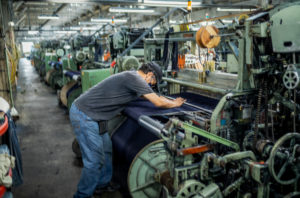
使っているのは、日本では**「再織(さいおり)」**と呼ばれる、とても珍しい織物。
もともとはヨーロッパで生まれたシェニール織という技法が明治時代に日本へ伝わり、和歌山県高野口で日本独自の発展を遂げました。
普通のタオルなら、一度織れば完成します。
でも再織は違います。
まず色だけで構成された横縞の生地を織り、その生地を細く裁断して一本一本をモール糸にします。
そして、そのモール糸を横糸として、もう一度柄を織り上げる。
つまり、一枚の生地を完成させるために二度織る。
だから「再織」と呼ばれています。
一日に織れる量は、ほんの数メートル。
効率だけを考えれば、とても贅沢な作り方です。
この製法だからこそ生まれるのが、ベルベットのような柔らかな肌触り。
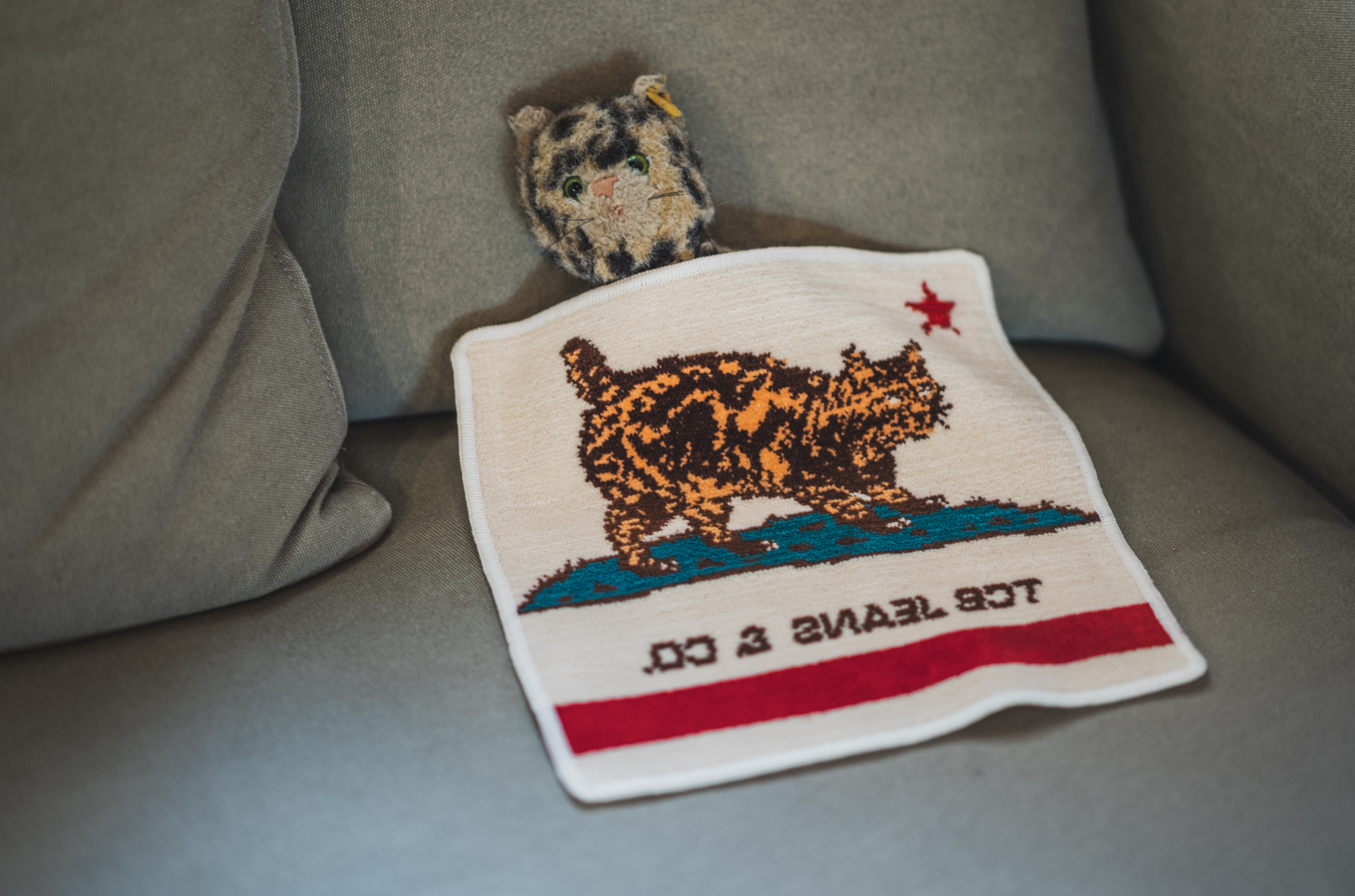
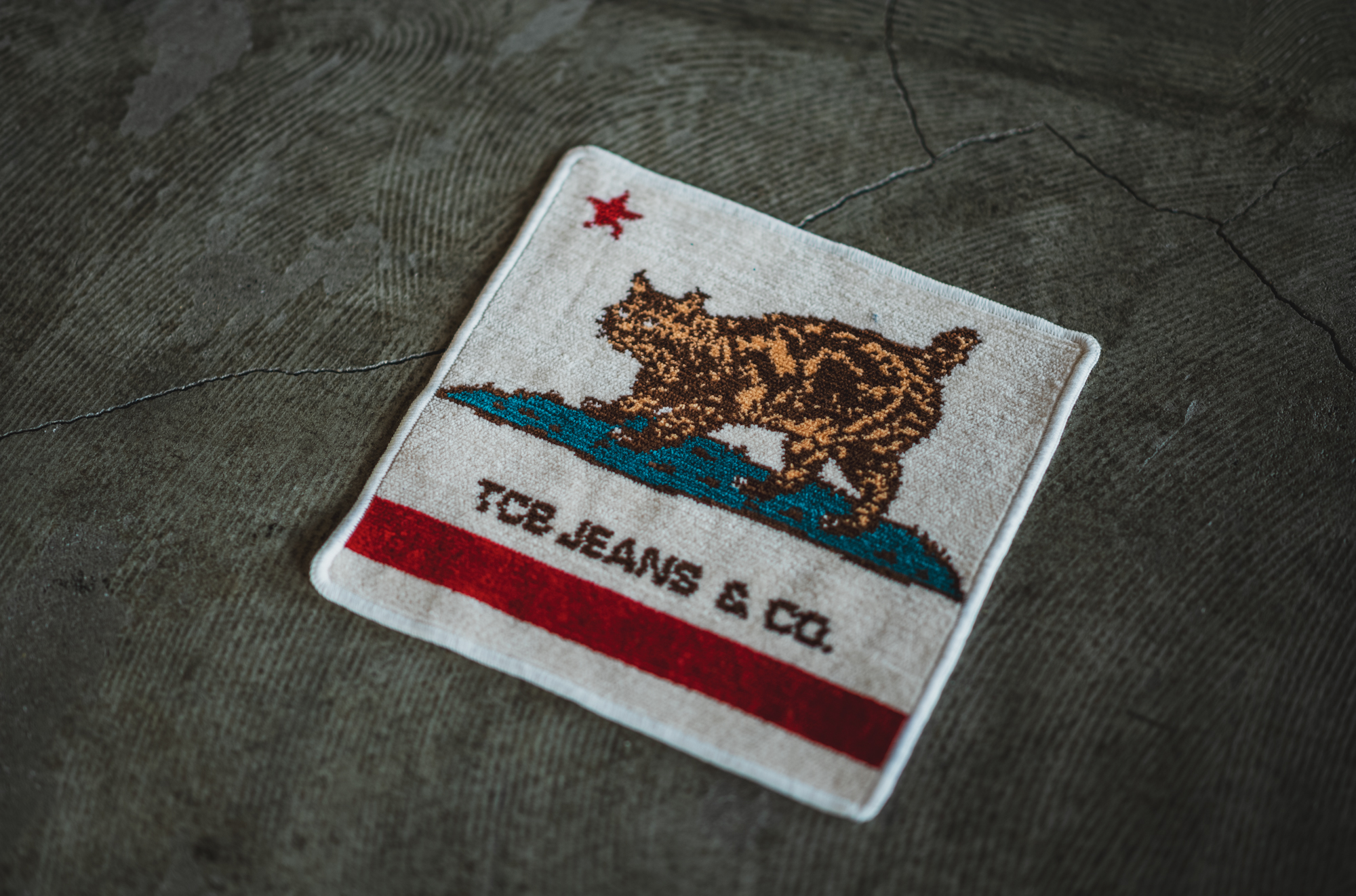
柄はプリントではなく、糸そのものの色で表現されるため、裏返してもほとんど同じ柄が現れます。
タオルというより、小さな織物作品と言った方が近いかもしれません。
さらに一般的なパイルタオルのようなループがないので、糸を引っ掛けてしまう心配も少なく、丈夫に長く使えます。
私がこの織物に惹かれた理由は、もう一つあります。
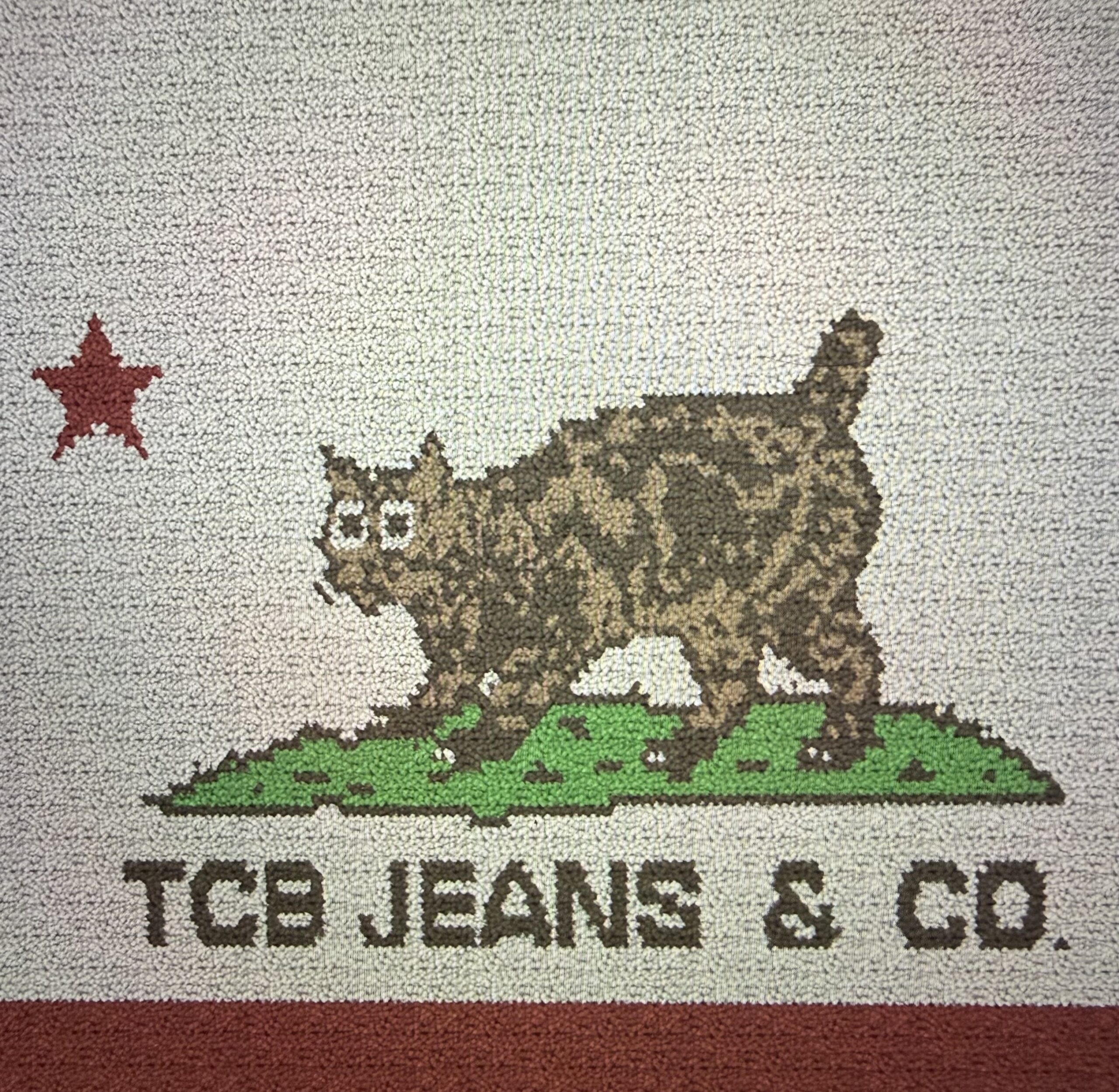
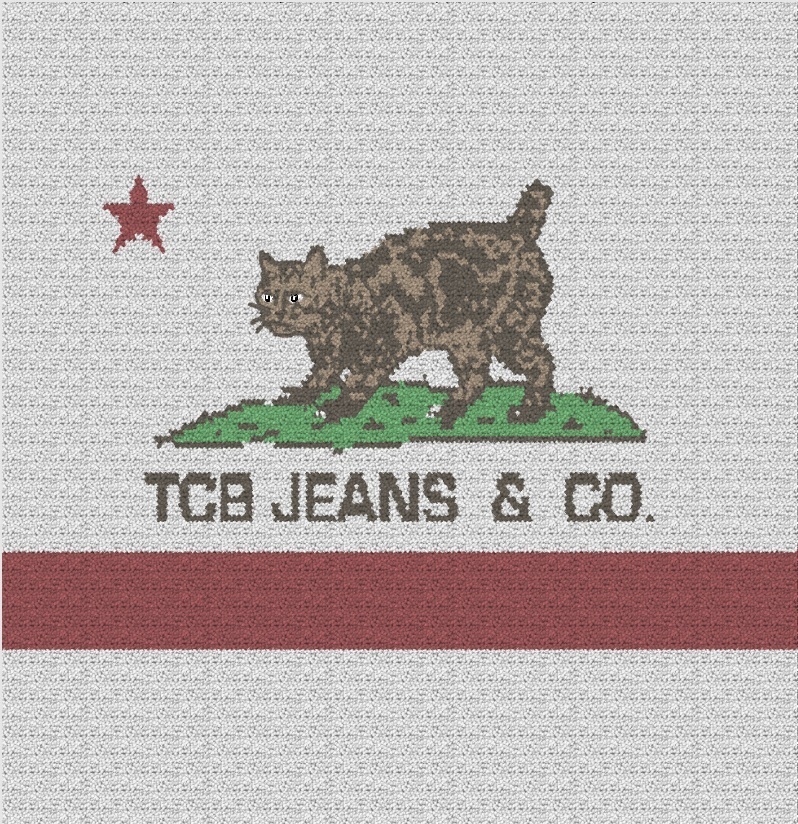
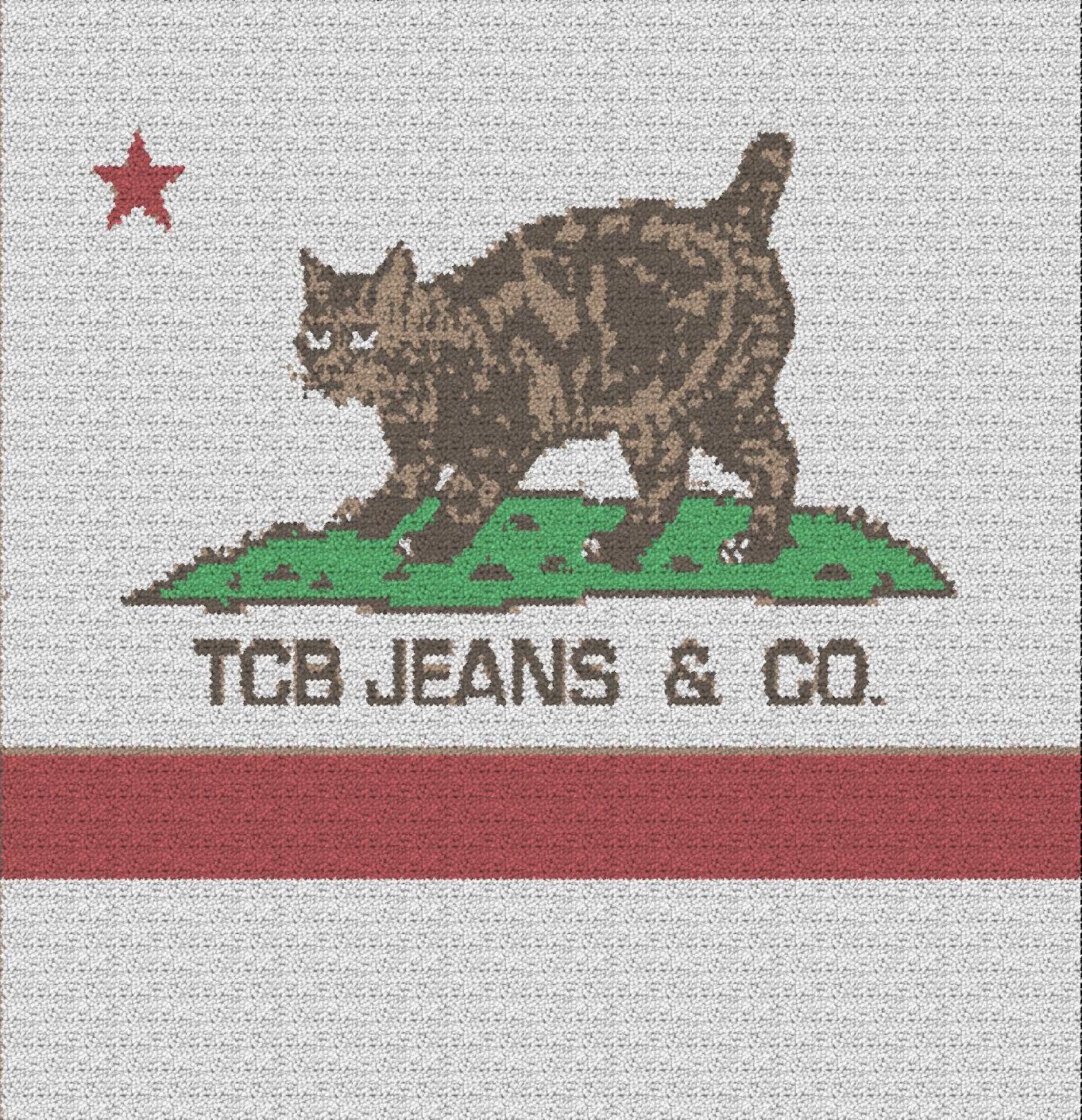
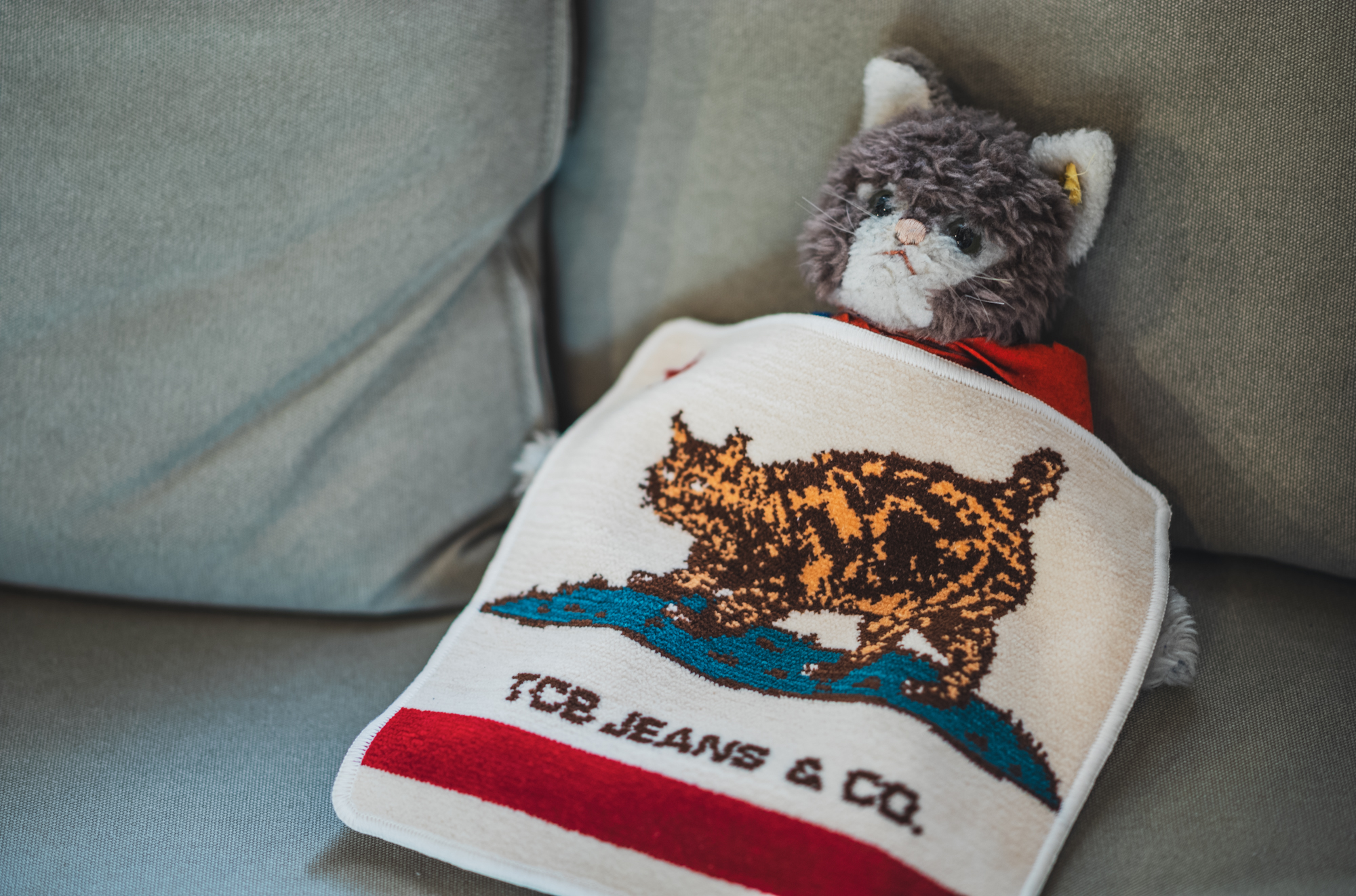
柄を織ると、どこか昔のビデオゲームのドット絵のような表情になることです。
あれは最初から、そういうデザインを狙っている訳ではありません。
織りという制約の中で、自然とああいう表情になってしまう。
その少し不器用で、温かみのある雰囲気が何とも魅力的でした。
とは言え、現代ならデータさえ作れば、もっと細かく、もっとリアルな柄も表現できそうな気がします。
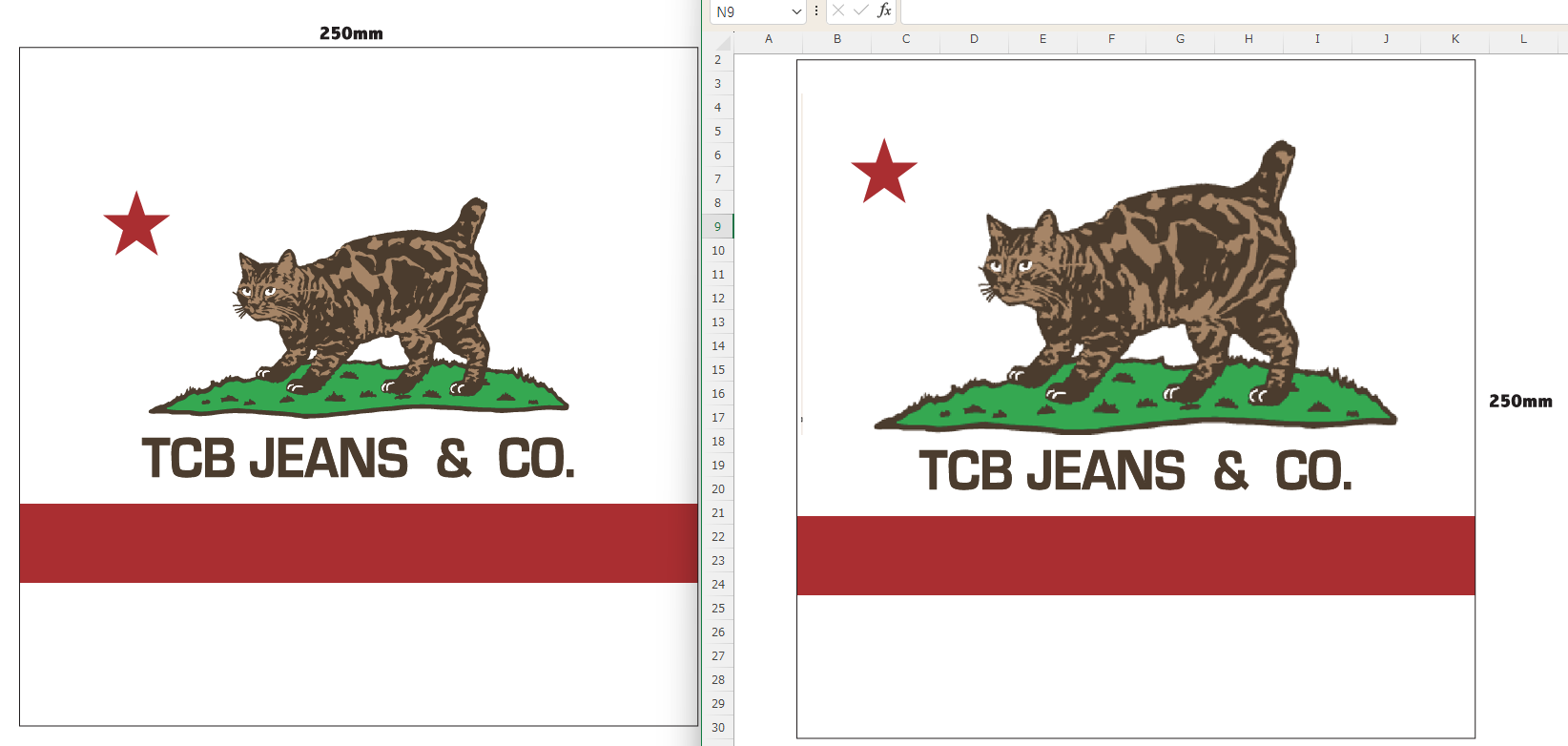
実際、そう思って猫の柄を作り始めました。
ところが、これが思った以上に難しい。
サンプルが届くたびに、 「誰だ、この猫。」 と思うような顔ばかり。
プリクラ機で加工されたような猫、眠そうな猫、怒っている猫…。 本当に沢山の猫に出会いました。
でも、その試行錯誤が、この織物の面白さでもあります。
少し情報量が減るからこそ、表情が生まれる。
ドット絵が今でも愛される理由と、少し似ているのかもしれません。
もちろん、普通に手を拭くためのハンドタオルとして使っていただけます。
でも、それだけではありません。
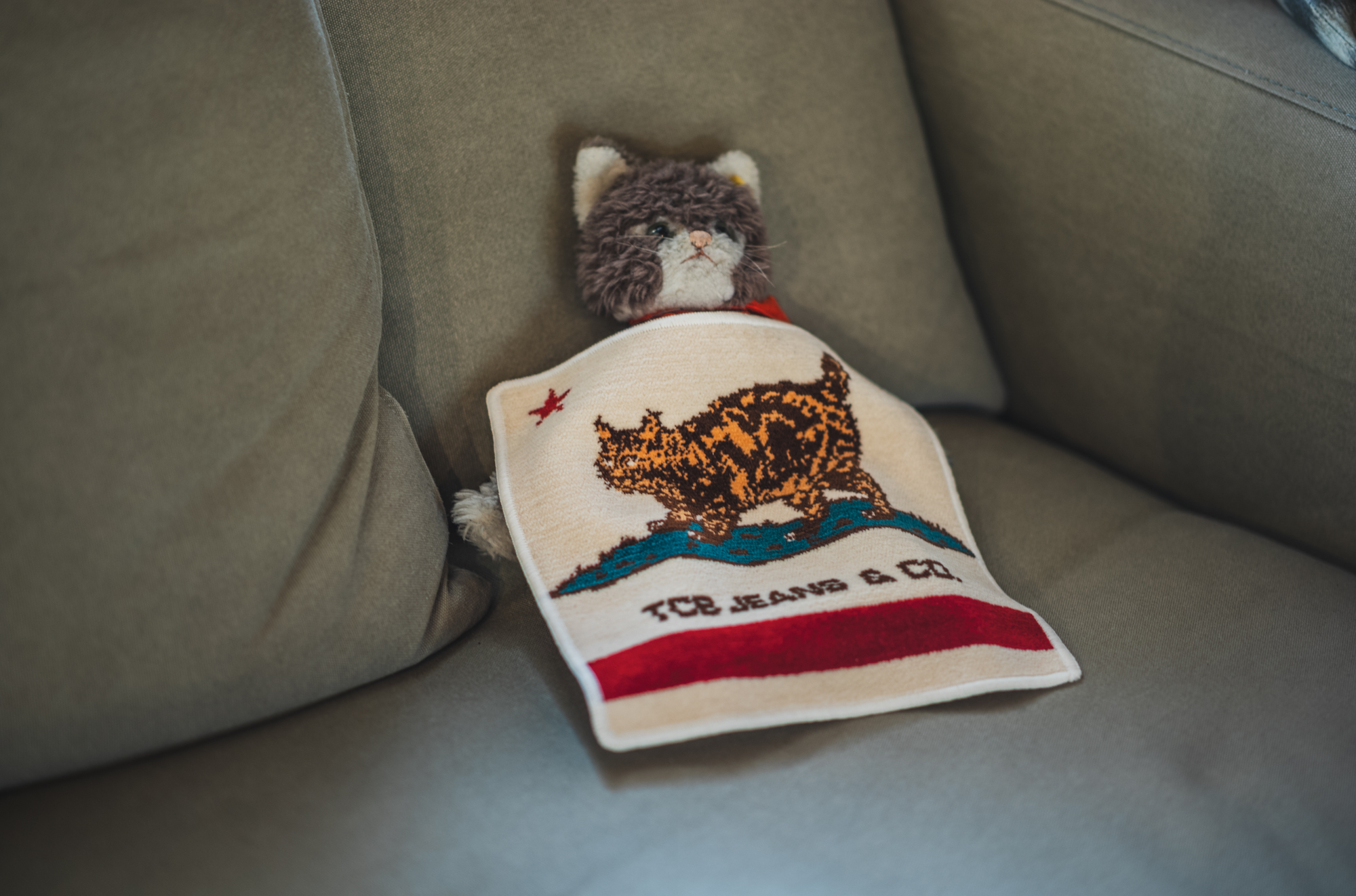
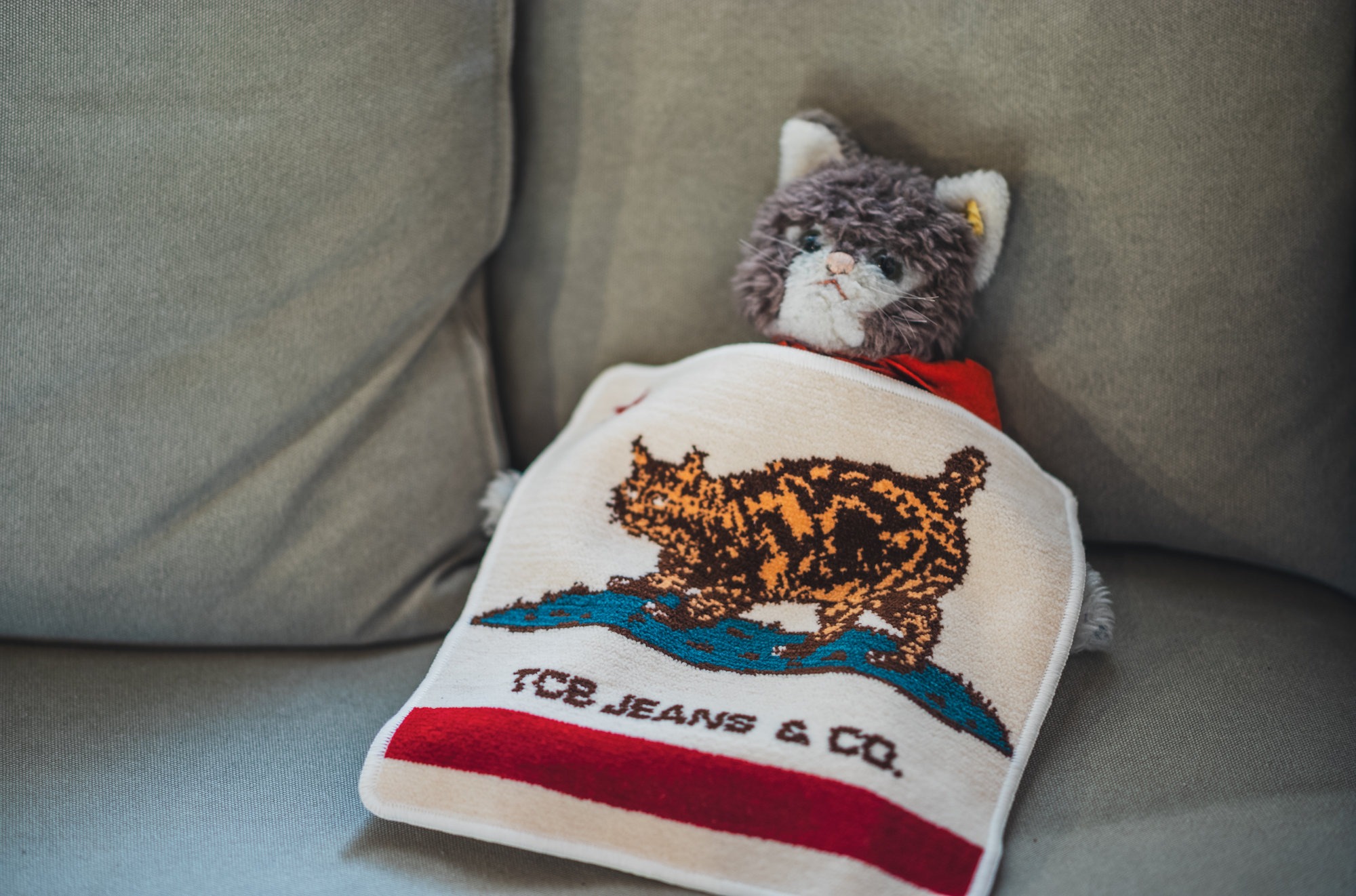
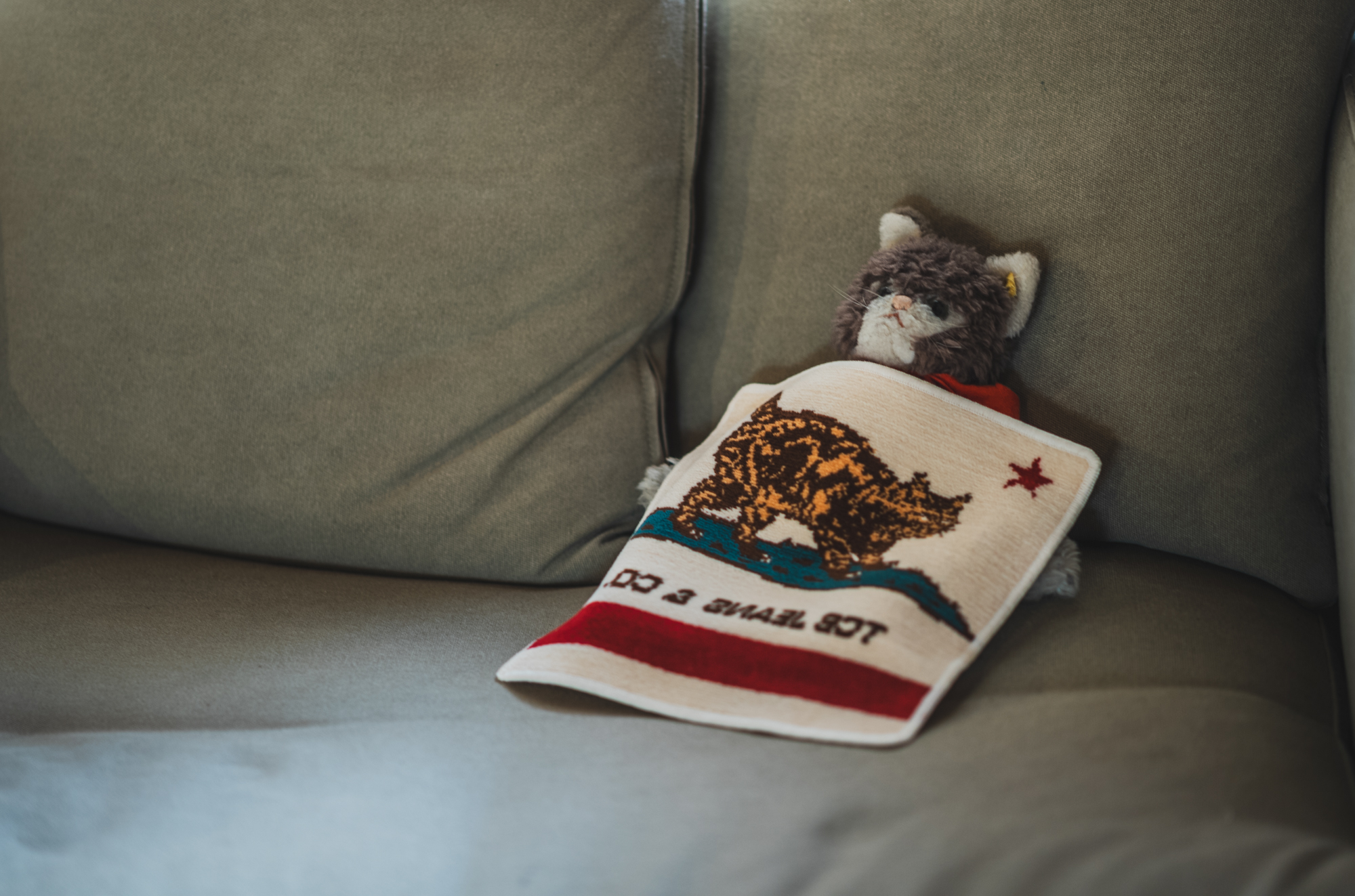
お気に入りのシュタイフが眠る時に掛けてあげたり。
ライカを包んでみたり。
デスクの上に敷いてみたり。
身近な大切な物を優しく包む布として使っていただけたら、とても嬉しく思います。
Besides cameras and cars, there were other things from Germany that captivated me. Specifically, Steiff toys and chenille hand towels.
Just as denim, originally born in America, came to be manufactured in Japan, I wondered if there was a place where could produce these towels, too.
That thought was the kick-off for this project.
In fact, these towels are a bit different from the ordinary kind. They are made using a very rare weaving technique known in Japan as Sai-ori (literally translated into re-weaving).
The technique originated in Europe as chenille weaving; it was introduced to Japan during the Meiji era and evolved uniquely in the Koyaguchi district of Wakayama Prefecture.
A standard towel is finished after a single weaving process. But *Sai-ori is different.
First, a fabric with horizontal stripes, composed solely of colors, is woven. This fabric is then cut into narrow strips to create individual strands of chenille yarn.
Finally, that chenille yarn is used as the weft to weave the pattern itself. In other words, the fabric is woven twice to create the final product.
That is why it is called *Sai-ori (re-weaving). I thought of making use of this technique to denim but it’d be crazy expensive for sure.
Only a few meters of fabric can be woven in a single day with this weaving style.
From the standpoint of efficiency alone, it is an incredibly extravagant production method.
It is precisely this process that creates a texture as soft as velvet. Since the patterns are formed by the colors of the threads themselves, rather than being printed on, the design appears almost identical on the reverse side. It might be more accurate to call them small woven artworks rather than mere towels. Furthermore, because they don’t have the loops found in standard pile towels, there is little risk of snagging threads, making them durable and long-lasting.
There is one more reason I was drawn to this type of weaving. When the patterns are woven, they take on an aesthetic reminiscent of pixel art from retro video games.
This isn’t a look that is intentionally designed from the start. It happens naturally due to the inherent constraints of the weaving process. I found that slightly unrefined, warm atmosphere utterly charming.
That said, in this day and age, it feels like one could create much finer, more accurate patterns if the digital data were prepared correctly. In fact, that was the very thought that led me to start creating a cat pattern. However, it turned out to be more challenging than I had imagined. Every time a sample arrived, the cats depicted on them often made me wonder, “Who is this cat?”
There were cats that looked sleepy, perplexed with eyes popping out, etc. I encountered so many different cat faces.
Yet, that process of trial and error is precisely what makes this weaving so interesting. It is precisely because the level of detail is reduced that a unique expression emerges.
Perhaps it is somewhat similar to why pixel art remains so beloved today. Of course, you can simply use it as a hand towel to dry your hands. But it offers so much more than that.
You might put it over your favorite Steiff toy at bedtime. Use it to wrap up your Leica camera. Or lay it out on your desk to keep your glasses.
It would bring me great joy if you used it as a cloth to gently wrap the precious things close to you.


 Categolies
 Tag
Tag Archive