
- About TCB
- Sewing Machines for TCB
- TCB Crews Introduction
- News / Daily
- Shop / Stockists
- Repair & Hem
- Recruit
- Contact


2026/09/25
最近、私がよく着用しているのが、Cat Face TrousersのBKBKや、Purrcules JacketのBKBKです。
どちらも、穿き込み、着込むことで色落ちを楽しめるブラックデニム。
生地を説明するときには、これまで何度も、
「ブラックですがロープ染色で染めているため、糸の芯は白く残っています。だから、インディゴデニムと同じように色落ちします」
と話してきました。
頭の中では、何となく想像できる。
でも、実際にその景色を見たことはありませんでした。
私は10代の頃、関西の店頭でキャリアをスタートしました。
当時は、
「岡山の職人が!」
「古い機械を使って!」
そんな言葉を並べながら、自分では見たことのない景色を、まるで見てきたかのように語っていました。
それが上手にできるようになったことに、あるときから気持ち悪さを感じるようになりました。
今回も、ふと同じ気持ちになりました。
インディゴ染色では、生成りの糸がインディゴの染料槽に浸かり、引き上げられて空気に触れることで、黄色から緑、そして青へと変化していきます。
では、ブラックの場合はどうなのか。
生成りの糸は、どのような色の変化を経て黒になるのか。
何回染めることで、あの深い黒になるのか。
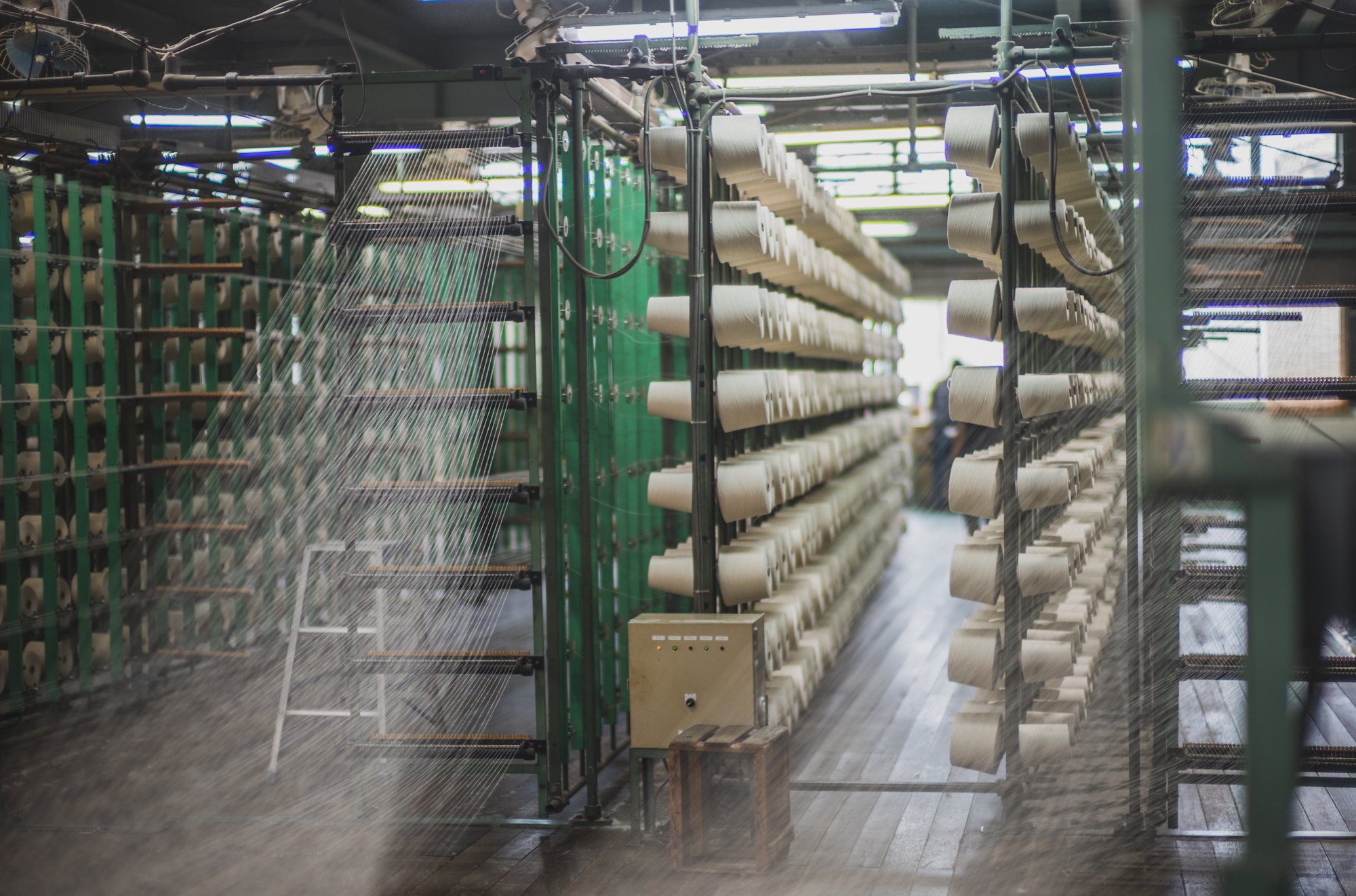
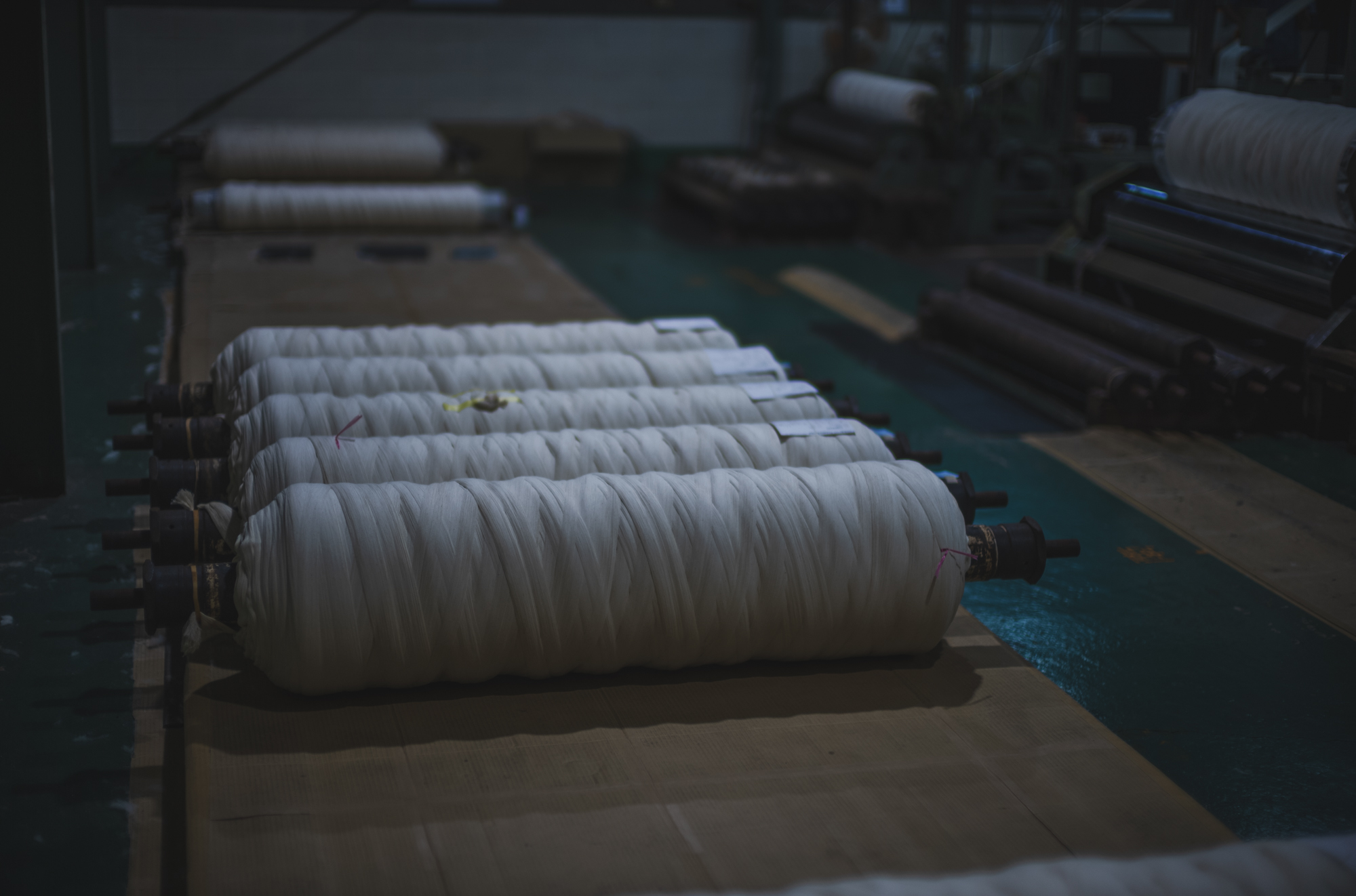
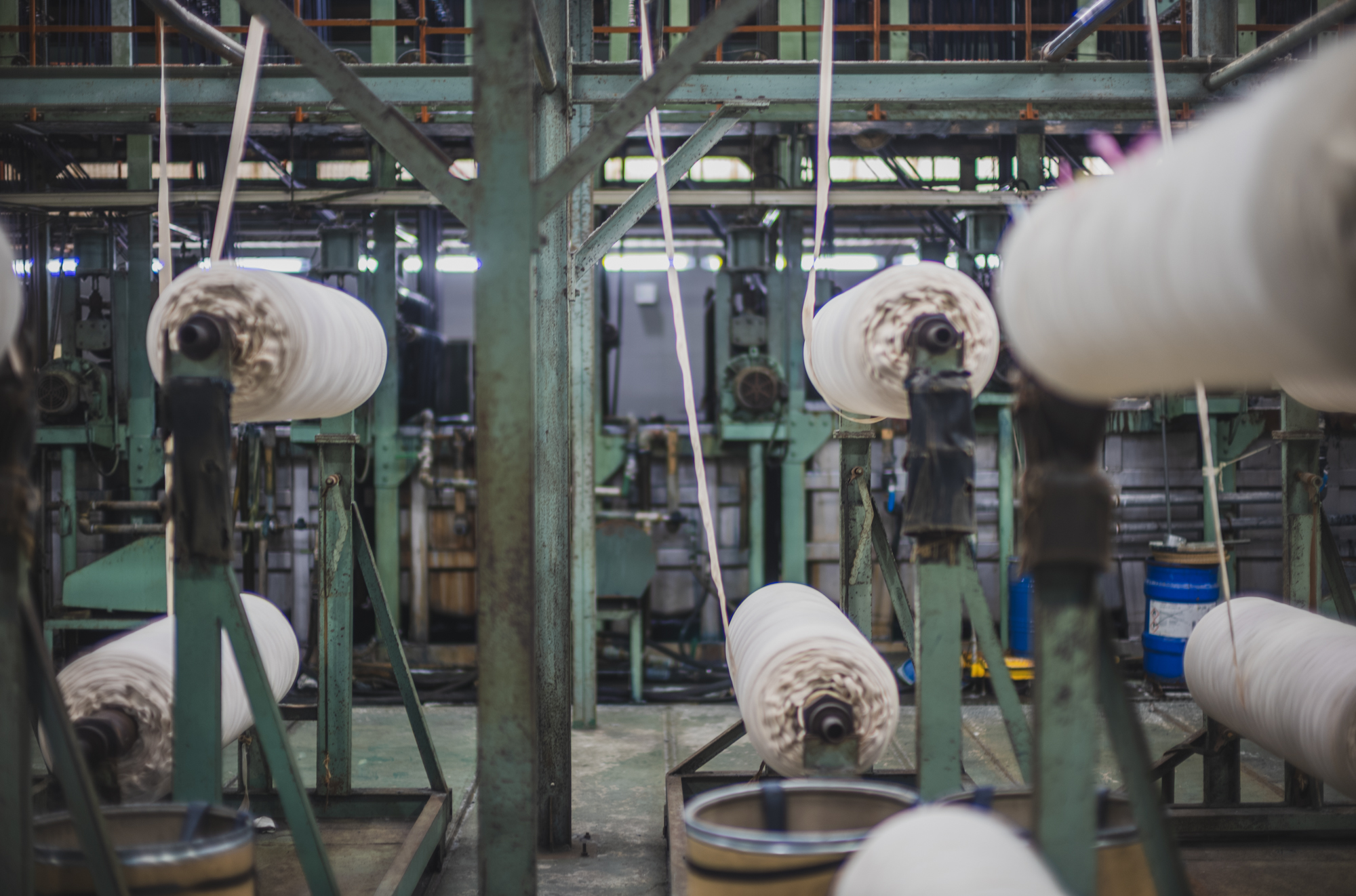
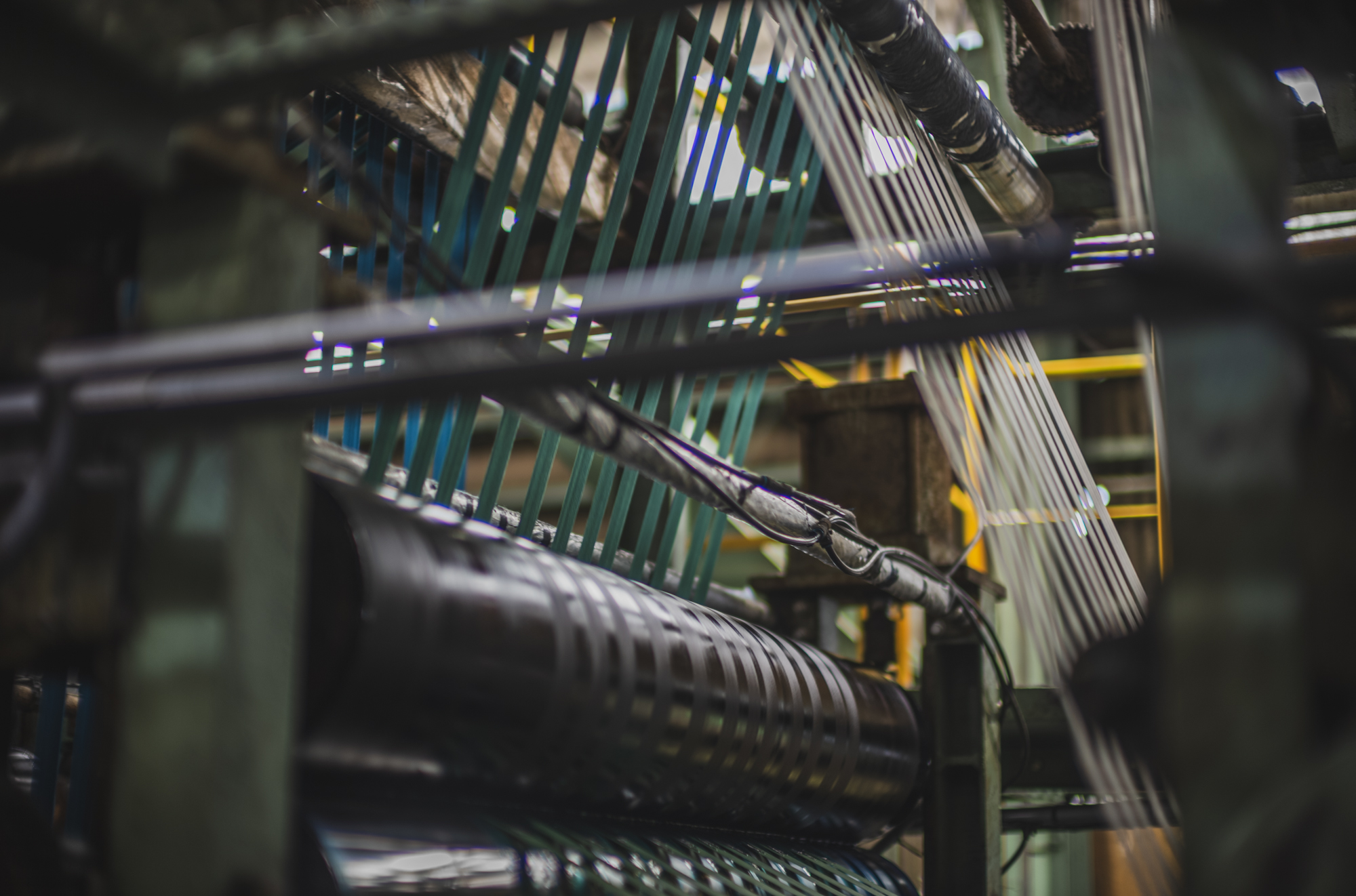
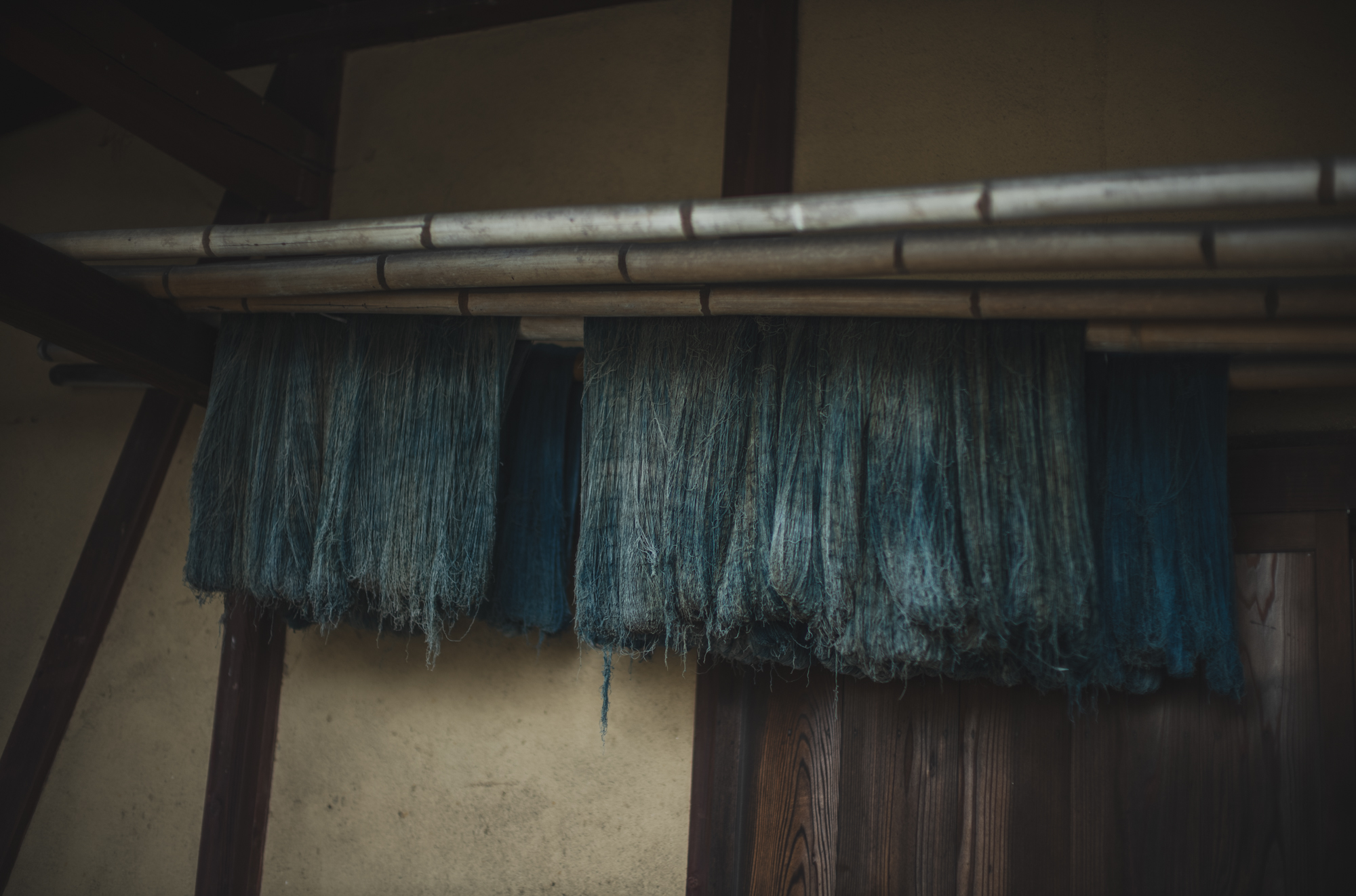
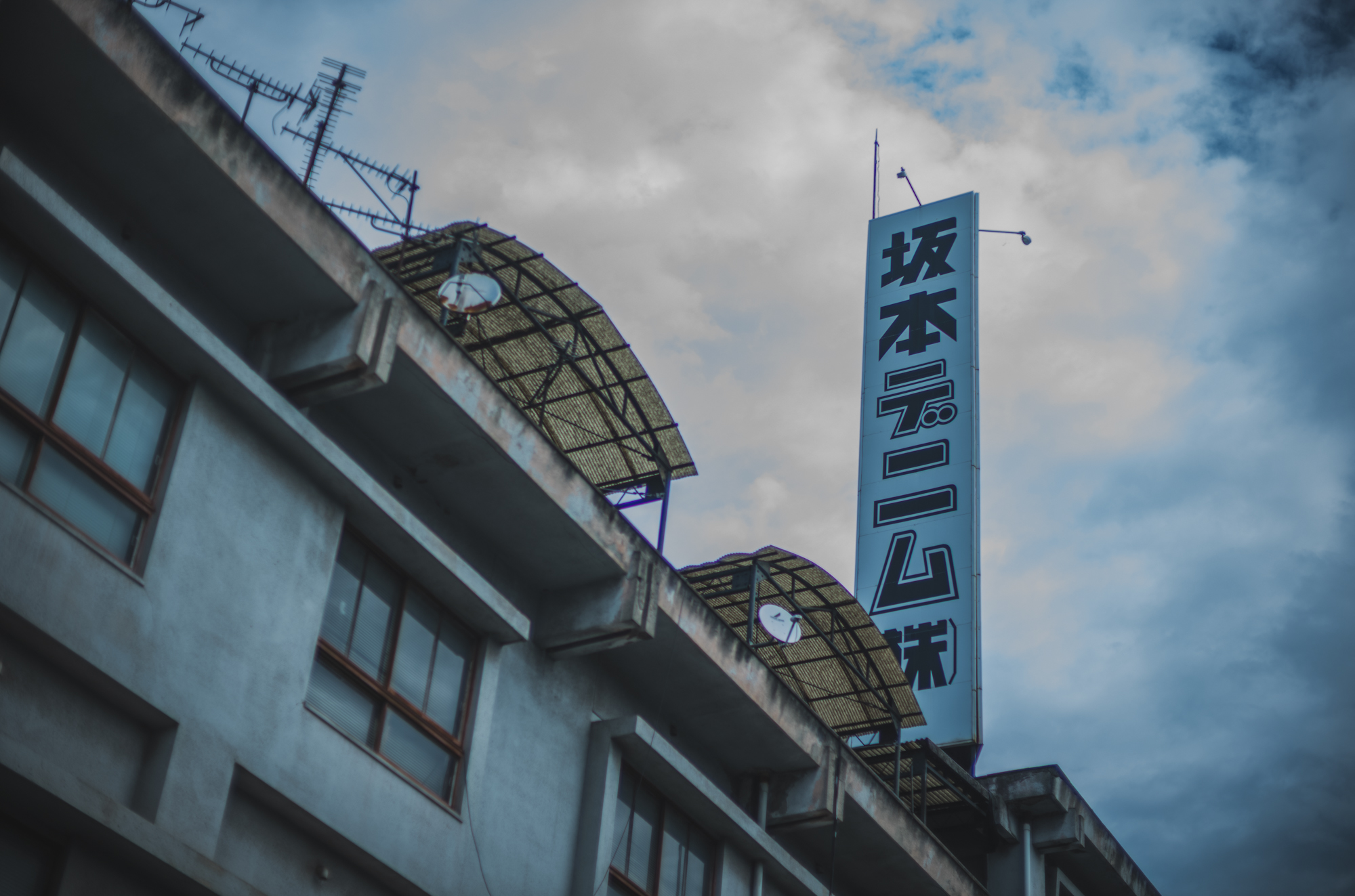
それを自分の目で確かめたくなり、いつも染色でお世話になっている、福山の坂本デニムさんにお願いして、現場を見学させていただきました。
福山は、私自身の故郷であり、私にとってデニムの故郷でもあります。
当然ながら、インディゴに比べるとブラックを染める需要は少なく、工場でもブラックを染める日は限られているそうです。
ところが連絡をしてみると、偶然にも翌日が“BLACK DAY”。
思い立ったが吉日。
すぐにお邪魔してきました。
化学的なことを曖昧な知識で書くことはできませんし、企業秘密に関わる部分もあると思うので、ここではシンプルに書きます。
私が想像していたのは、生成りの糸が何段階ものグラデーションを経て、少しずつ黒くなっていく光景でした。
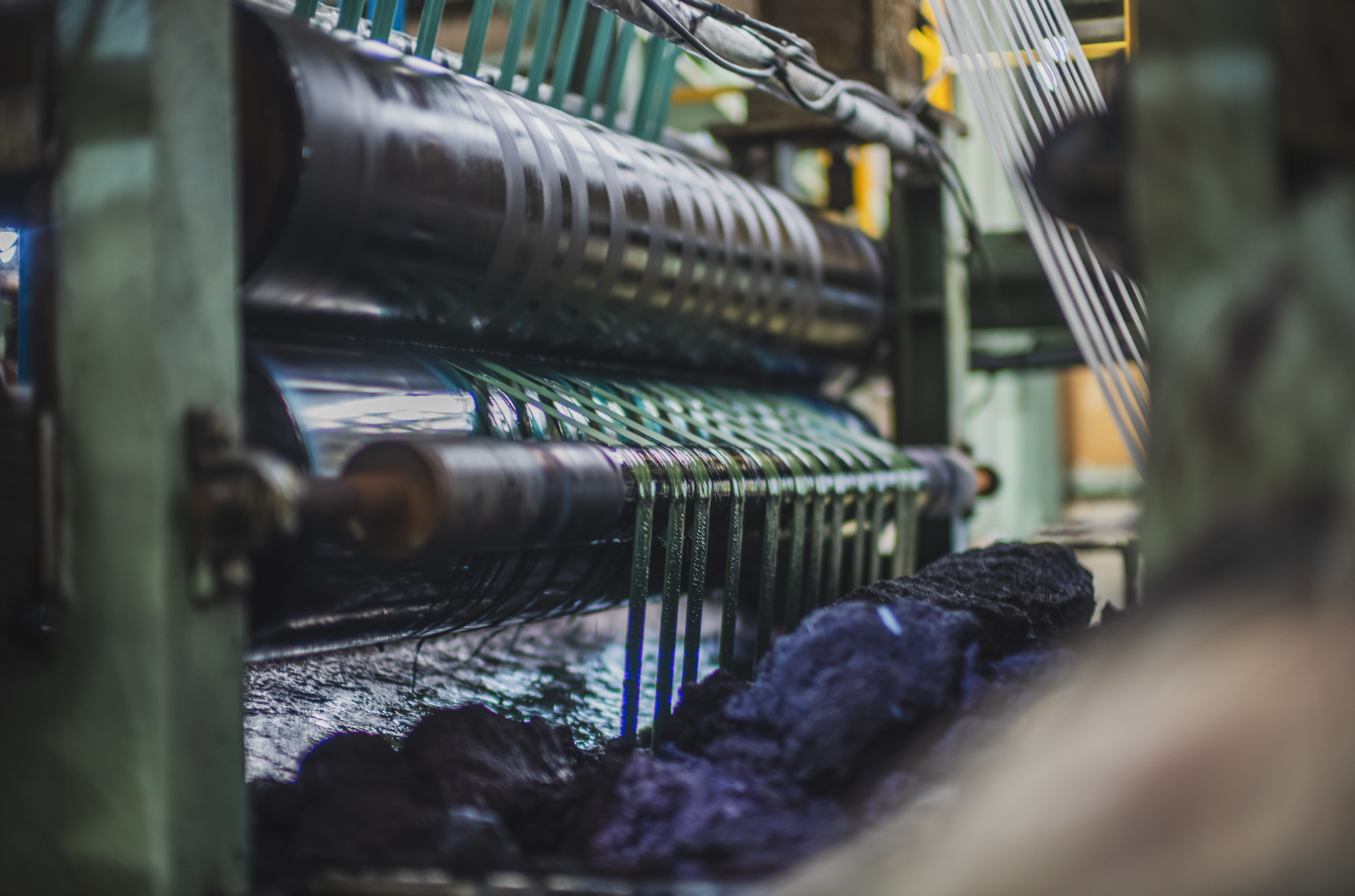
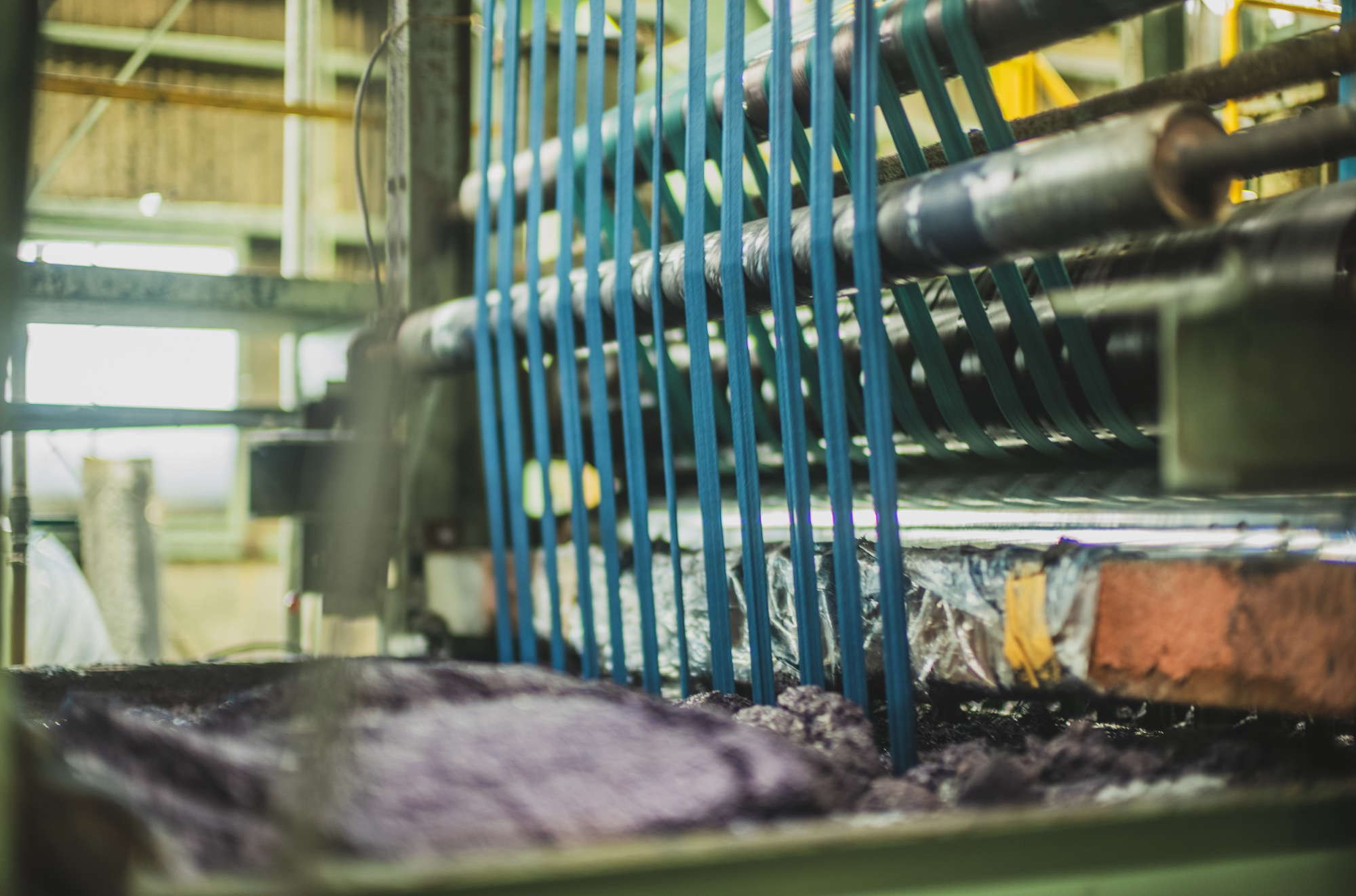
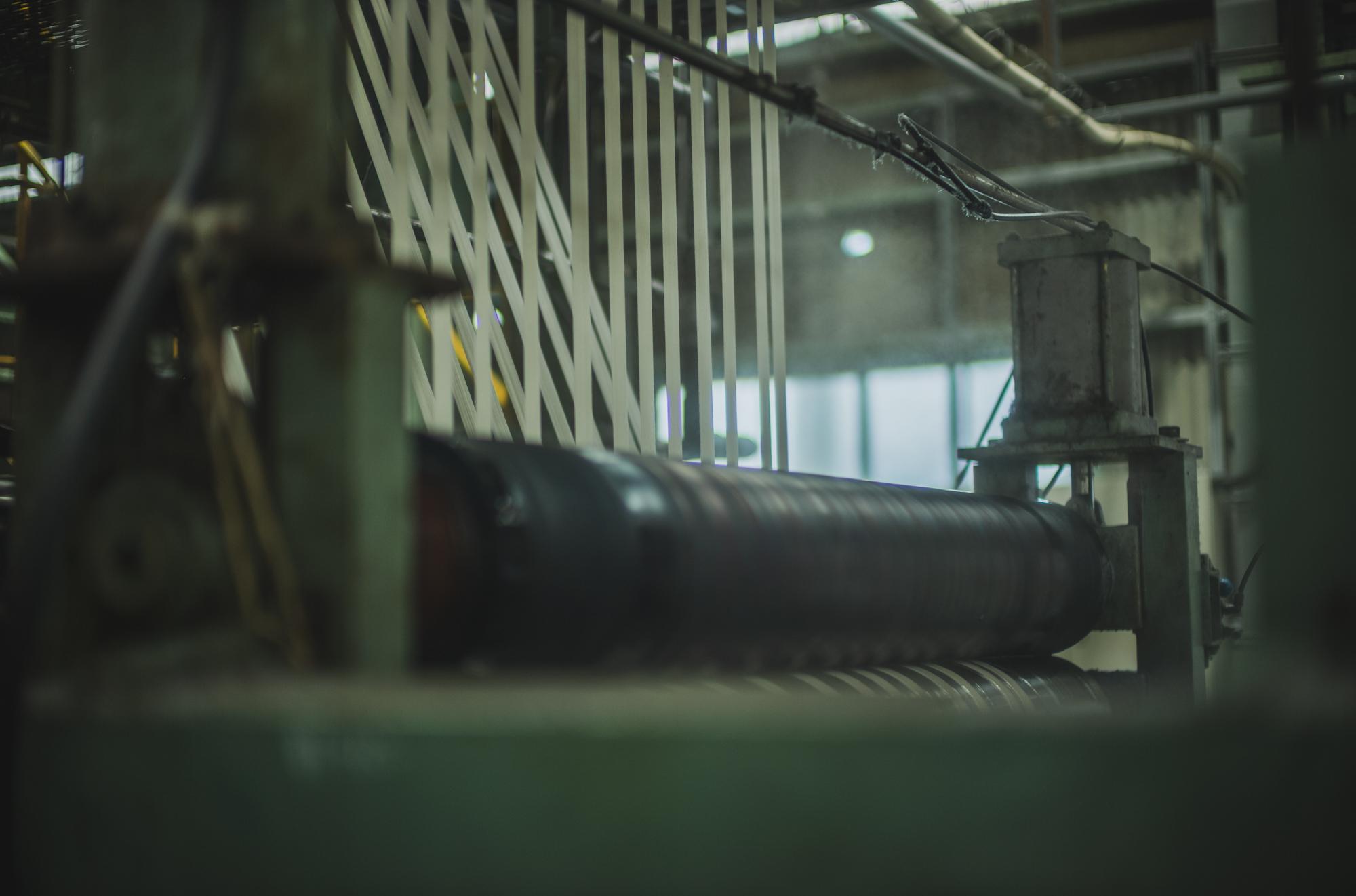
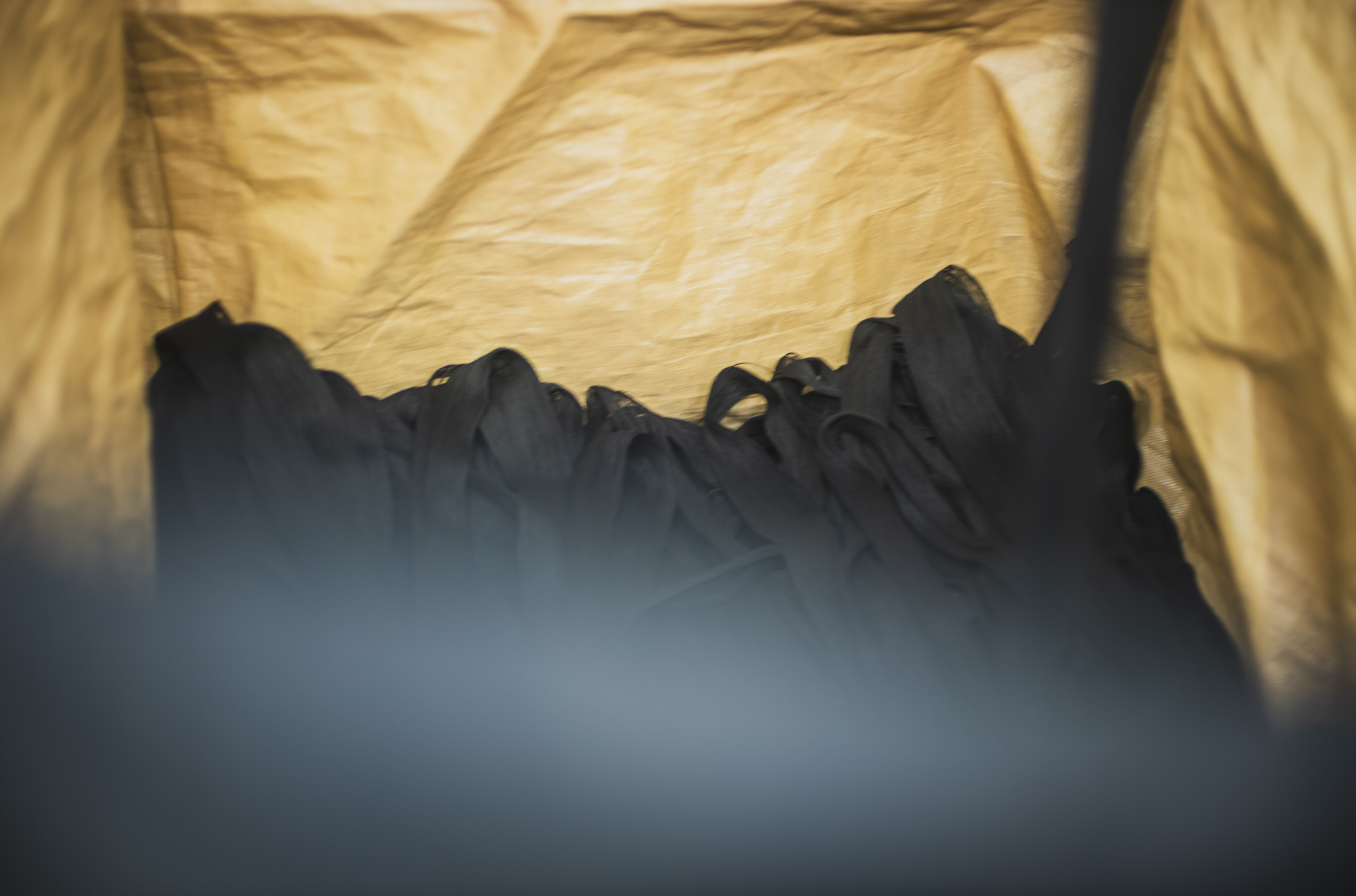
しかし実際には、糸が染料に浸かった瞬間、驚くほどあっさりと黒く染まります。
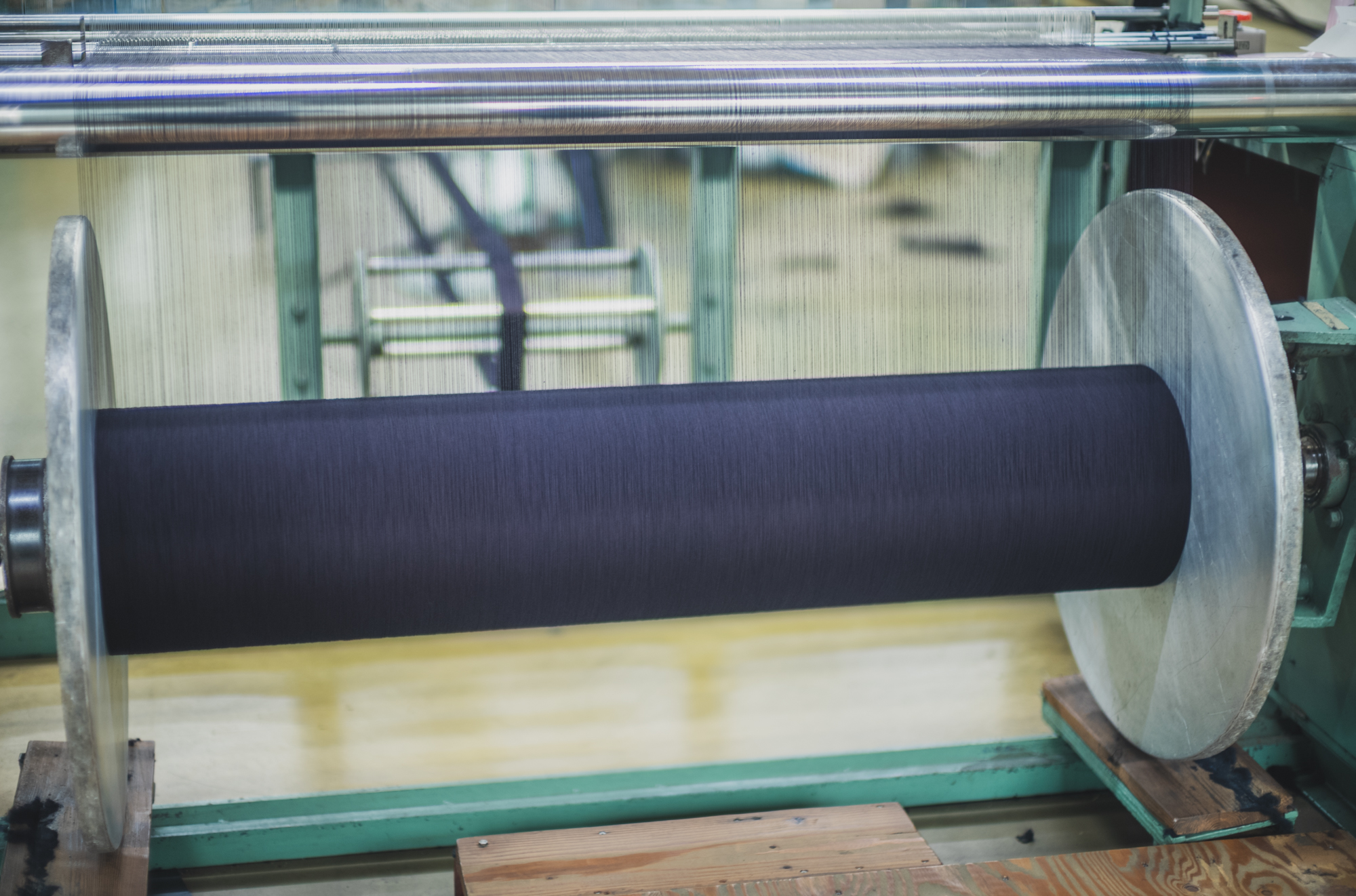
インディゴをロープ染色とは異なりますが、特殊な加工を施して染めると、染料を芯まで浸透させず、芯白の状態をつくることができるそうです。
さらに、色の濃さは染色回数によって調整しているのだと思っていましたが、基本的には一回染めとのこと。
自分の頭の中で想像していたブラックの染色と、実際の現場には、いくつもの違いがありました。
だからこそ、実際に見に行って本当によかったと思います。
文章や写真だけでは伝わりにくい部分もあるかもしれません。
今回は撮影場所を限定することを条件に、特別に許可をいただきました。
技術流出を防ぐため、工場取材を断るケースも多いそうです。
当日同行してくださった、つるっとさんの動画でも、染色の様子を少しだけ撮影させていただいています。
ぜひ、そちらもご覧いただければ嬉しく思います。
こうして職権を乱用して、念願だったブラックのロープ染色を自分の目で見ることができました。
これまで言葉だけで説明してきた「芯が白く残ったブラック」が、これからどのように色落ちしていくのか。
Cat FaceやPurrculesを育てる楽しみが、またひとつ増えました。
Recently, I’ve often been wearing the BKBK versions of our Cat Face Trousers and Purrcules Jacket.
Both are black denim pieces designed to fade and evolve through wear.
Whenever I have explained the fabric, I have always said:
“Although it is black, the yarn is rope-dyed, leaving the core white. That means it will fade just like indigo denim.”
I could more or less picture it in my mind.
But I had never actually seen it happen.
I began my career as a teenager, working on the shop floor in the Kansai area.
Back then, I would confidently use phrases like:
“Made by craftsmen in Okayama!”
“Made using old machinery!”
I became good at talking about places and processes I had never actually seen, as though I had witnessed them myself.
At some point, that began to feel uncomfortable.
And this time, I found myself feeling the same way again.
With indigo dyeing, natural-colored yarn is submerged in a vat of indigo dye. As it emerges and comes into contact with the air, it briefly turns yellow, then green, and finally blue.
But what happens with black?
What kind of color changes does natural-colored yarn go through before it becomes black?
And how many times must it be dyed to achieve such a deep shade?
I wanted to see it with my own eyes, so I asked Sakamoto Denim in Fukuyama—who have always taken care of our dyeing—if I could visit and observe the process.
Fukuyama is both my own hometown and, in many ways, the hometown of denim for me.
Naturally, demand for black dyeing is much lower than for indigo, so there are only a limited number of days each month when the factory dyes yarn black.
However, when I contacted them, it just so happened that the following day was a “BLACK DAY.”
There is a Japanese saying: “The day you decide to do something is the best day to begin.”
So I went to visit them straight away.
I cannot write casually about the chemistry involved when I do not fully understand it, and some parts of the process may also be trade secrets. So I will keep the explanation simple.
I had imagined natural-colored yarn gradually becoming black through several stages of color.
But in reality, the moment the yarn enters the dye, it turns black surprisingly quickly.
The process differs from indigo rope dyeing, but by applying a special treatment during dyeing, it is possible to prevent the dye from penetrating all the way to the core, leaving the center of the yarn white.
I had also assumed that the depth of the black was controlled by the number of dyeing cycles, but I was told that it is basically dyed only once.
There were several differences between the black-dyeing process I had imagined and what I actually witnessed at the factory.
That is precisely why I am glad I went to see it for myself.
Some aspects may be difficult to communicate through words and photographs alone.
Recently, factories have also become increasingly reluctant to allow filming and interviews in order to prevent their techniques from being copied.
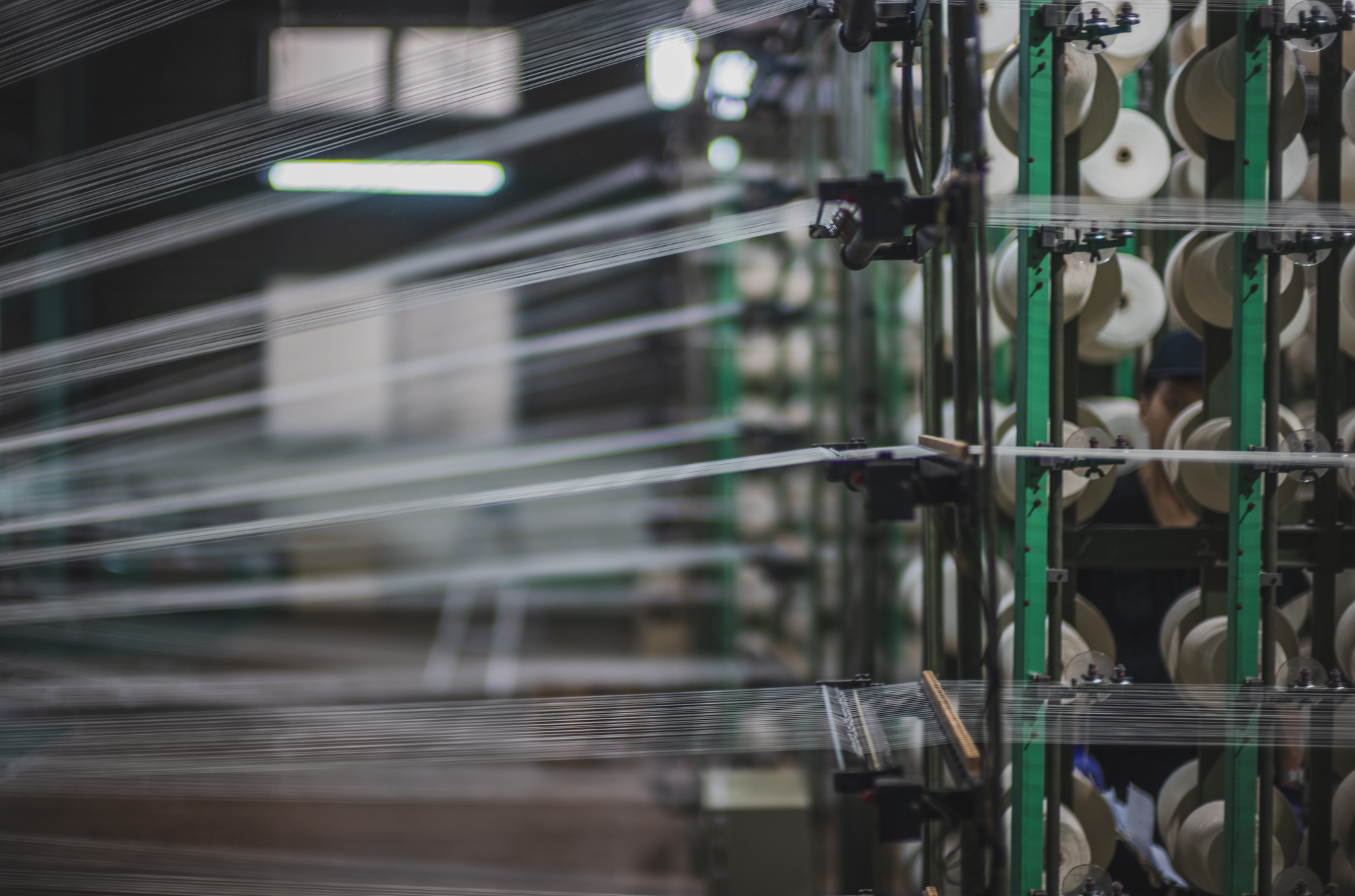
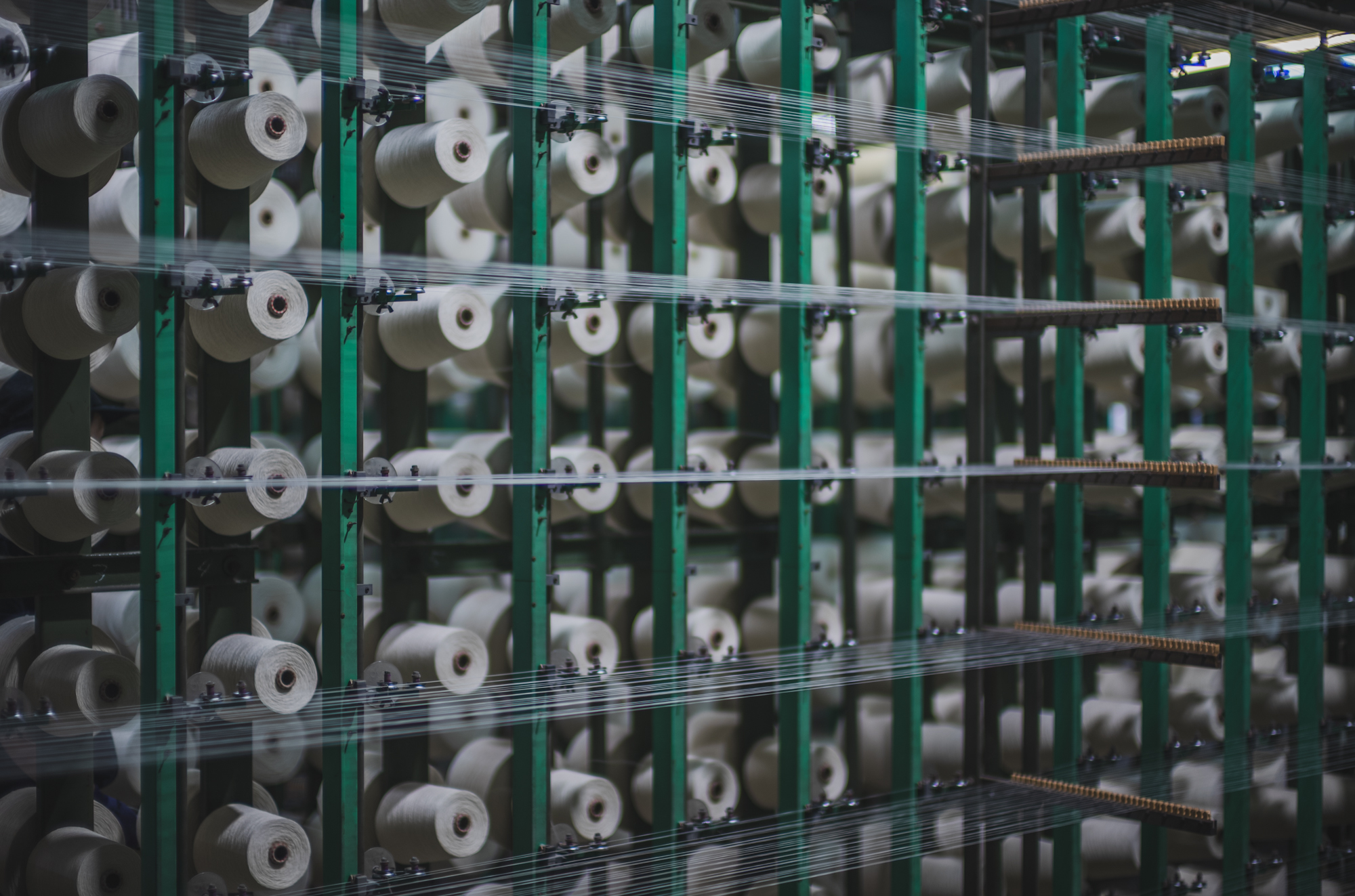
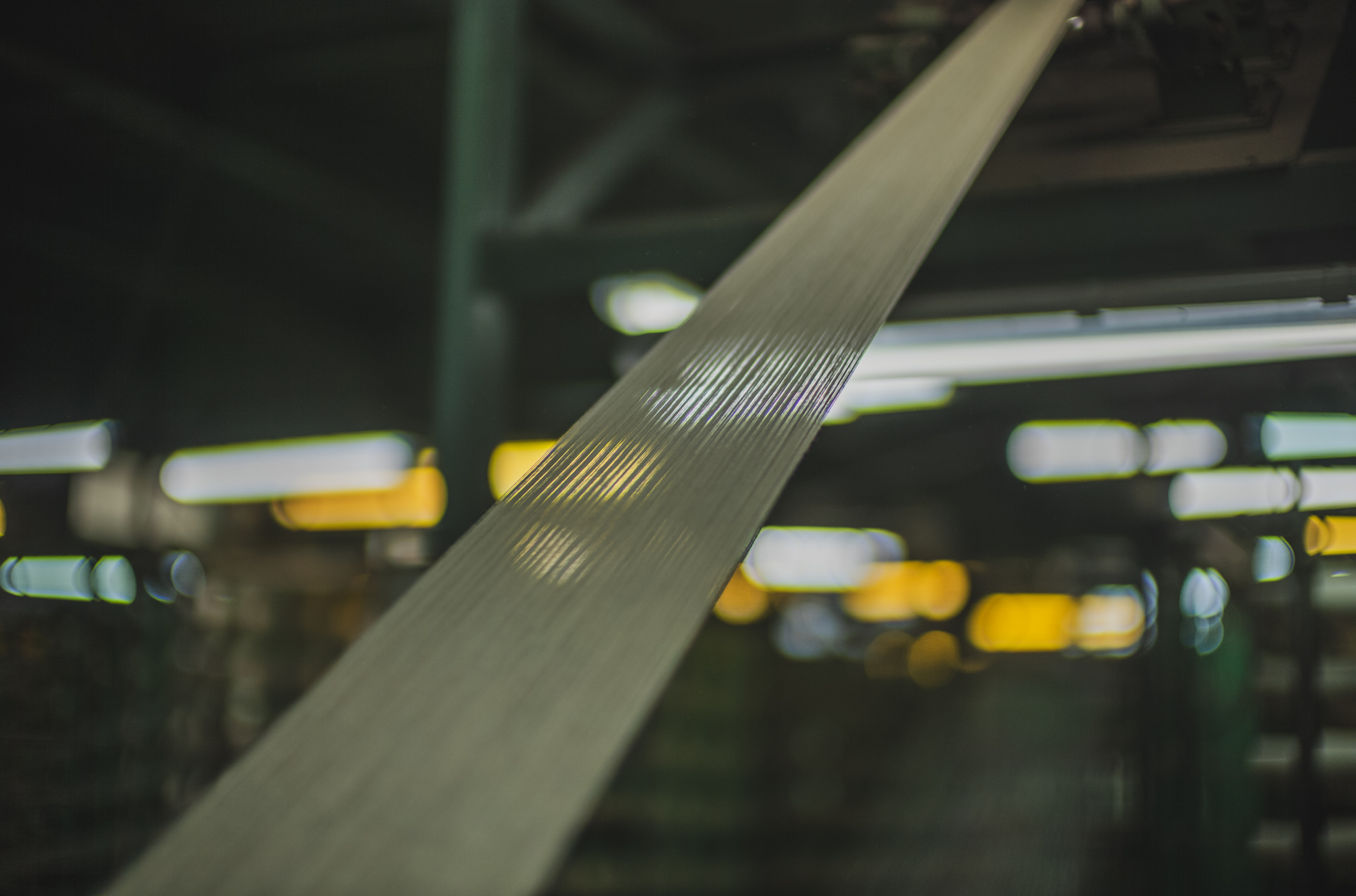
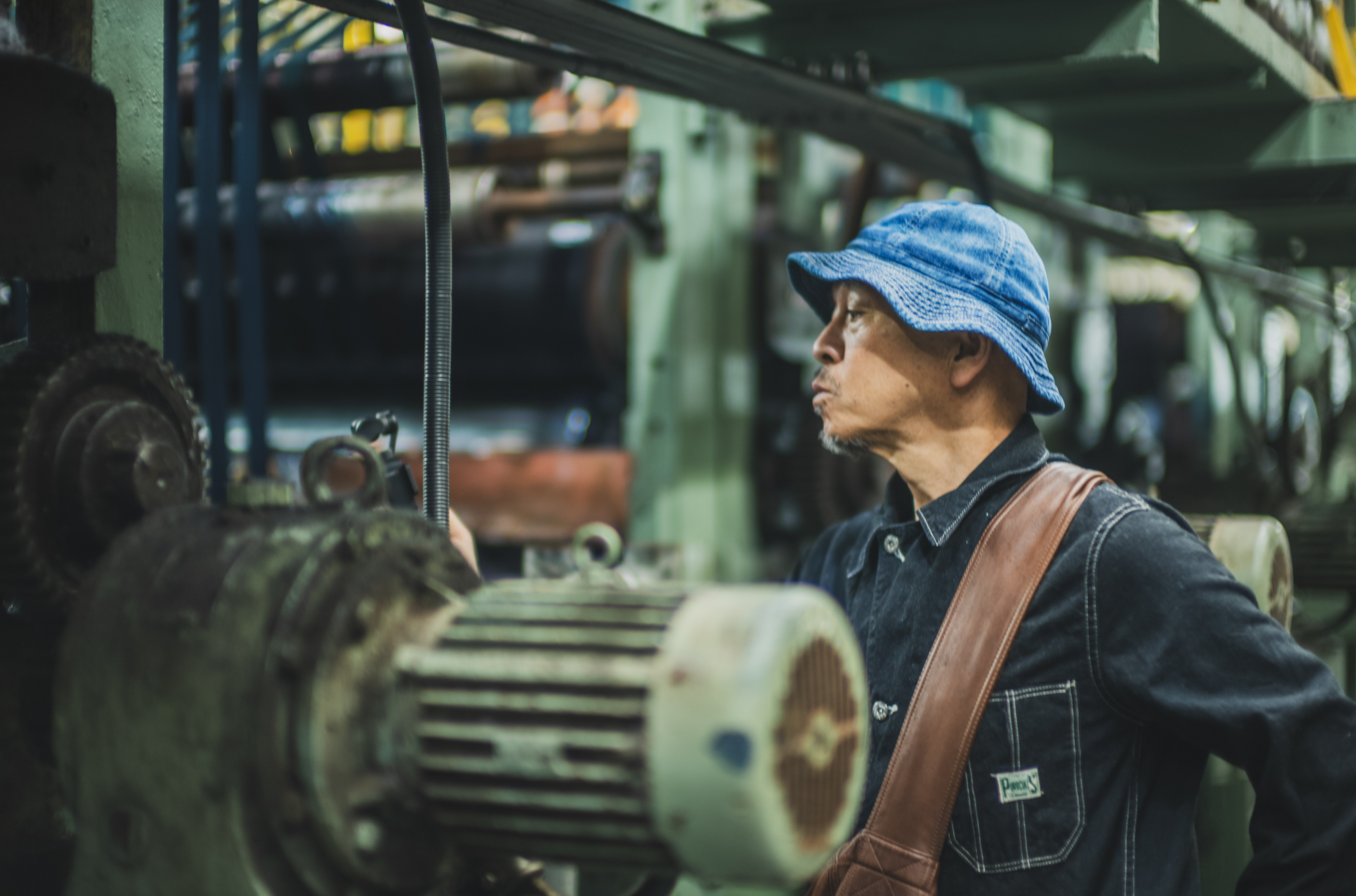
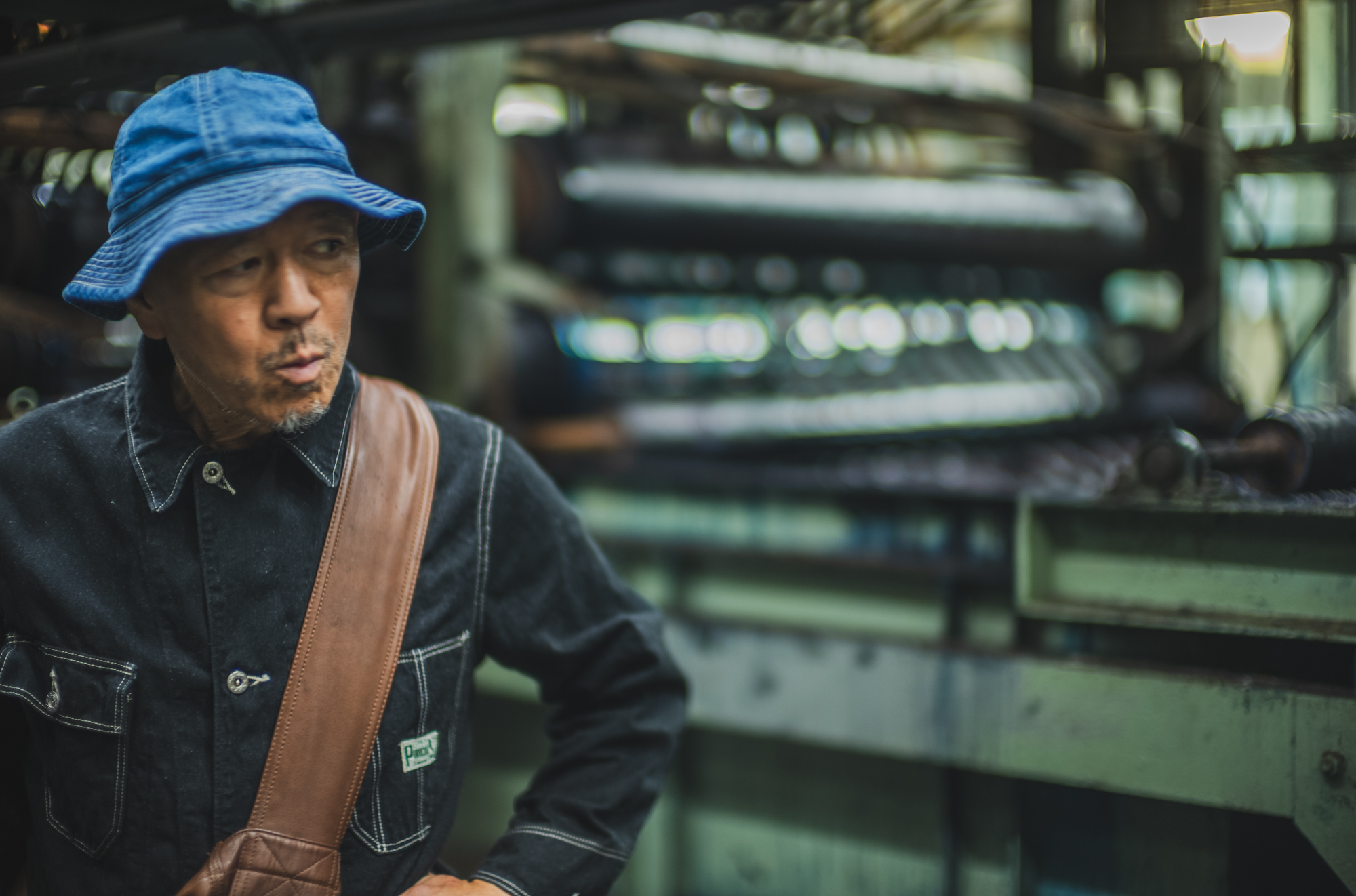
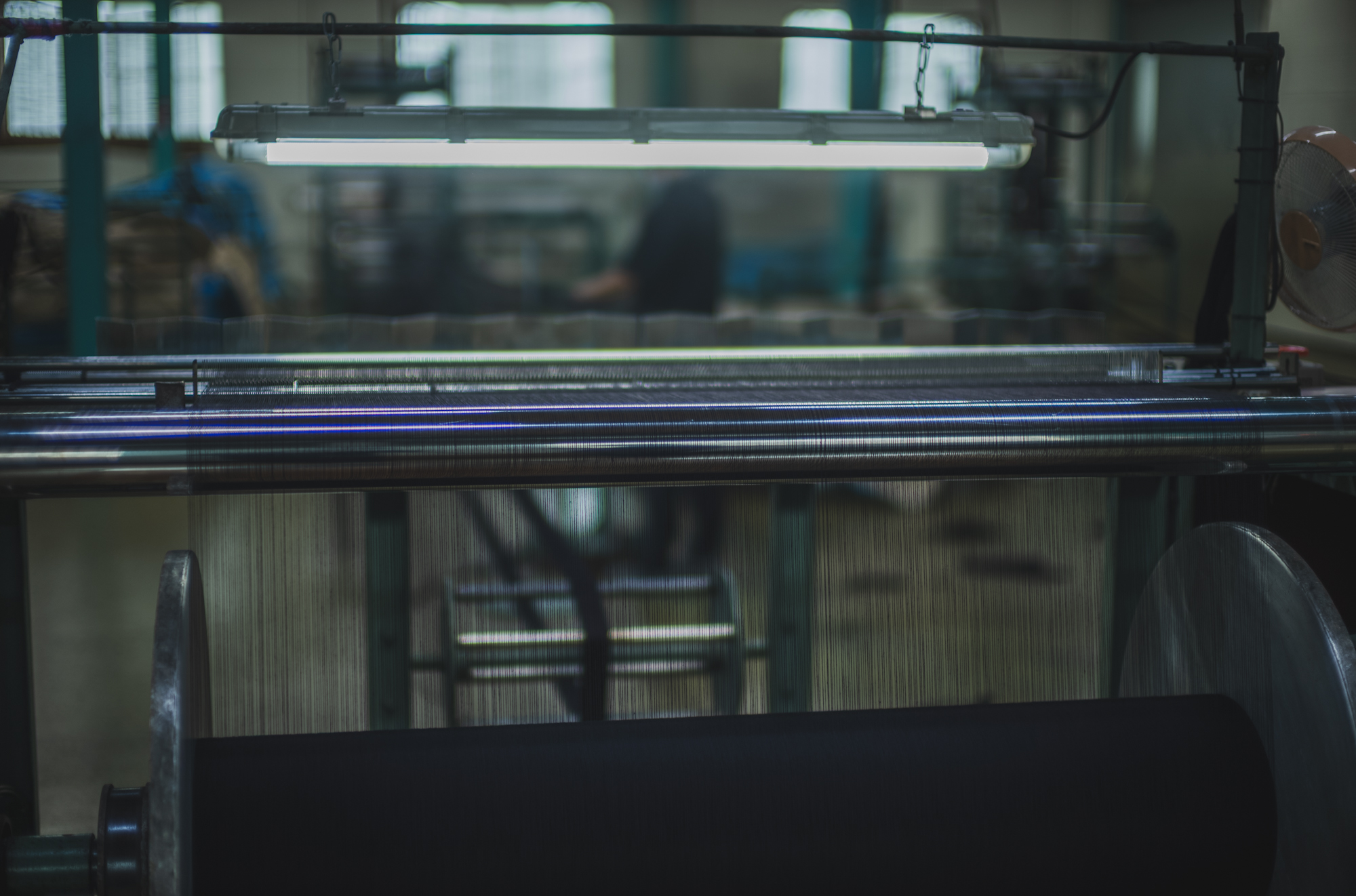
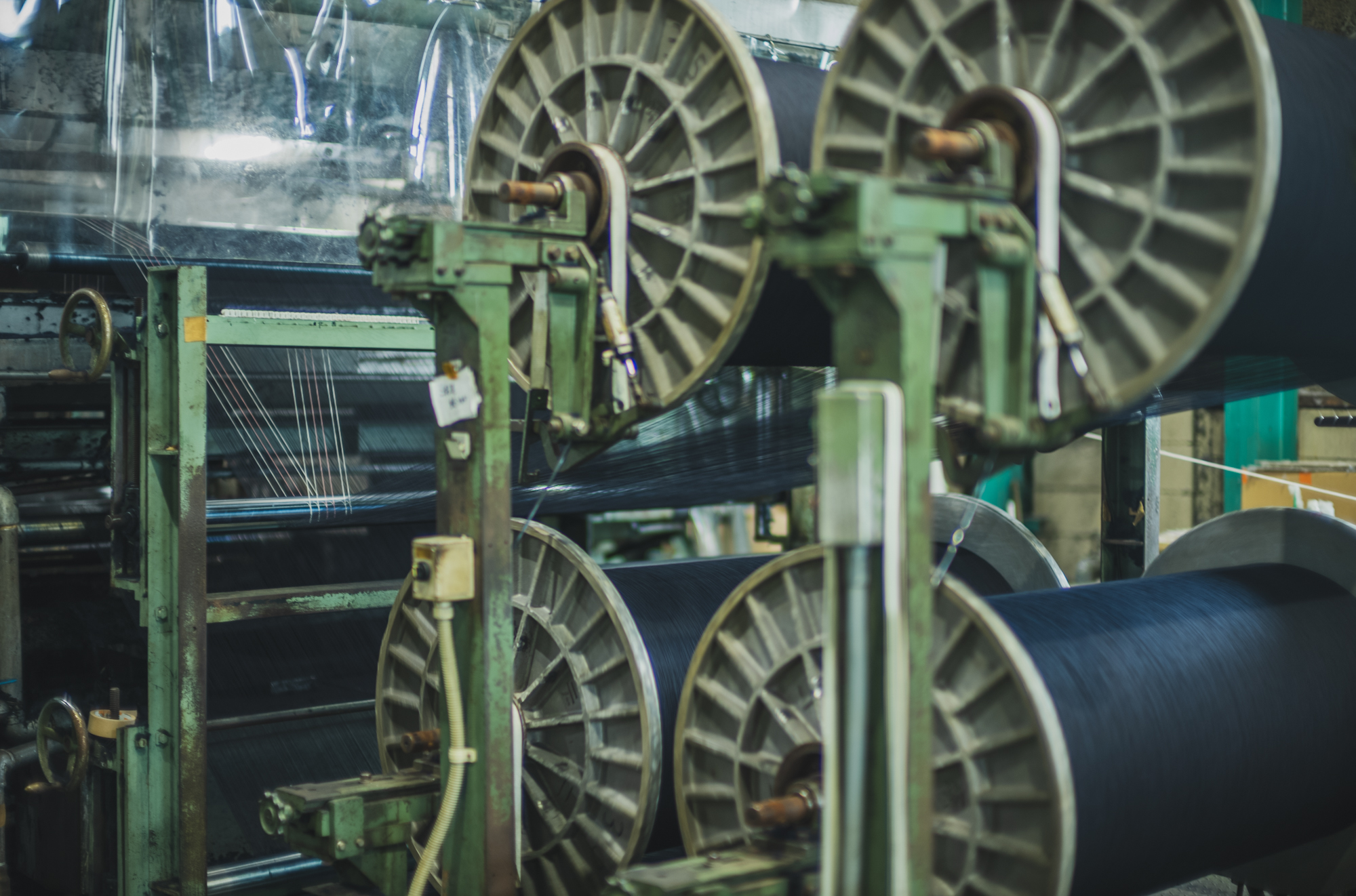
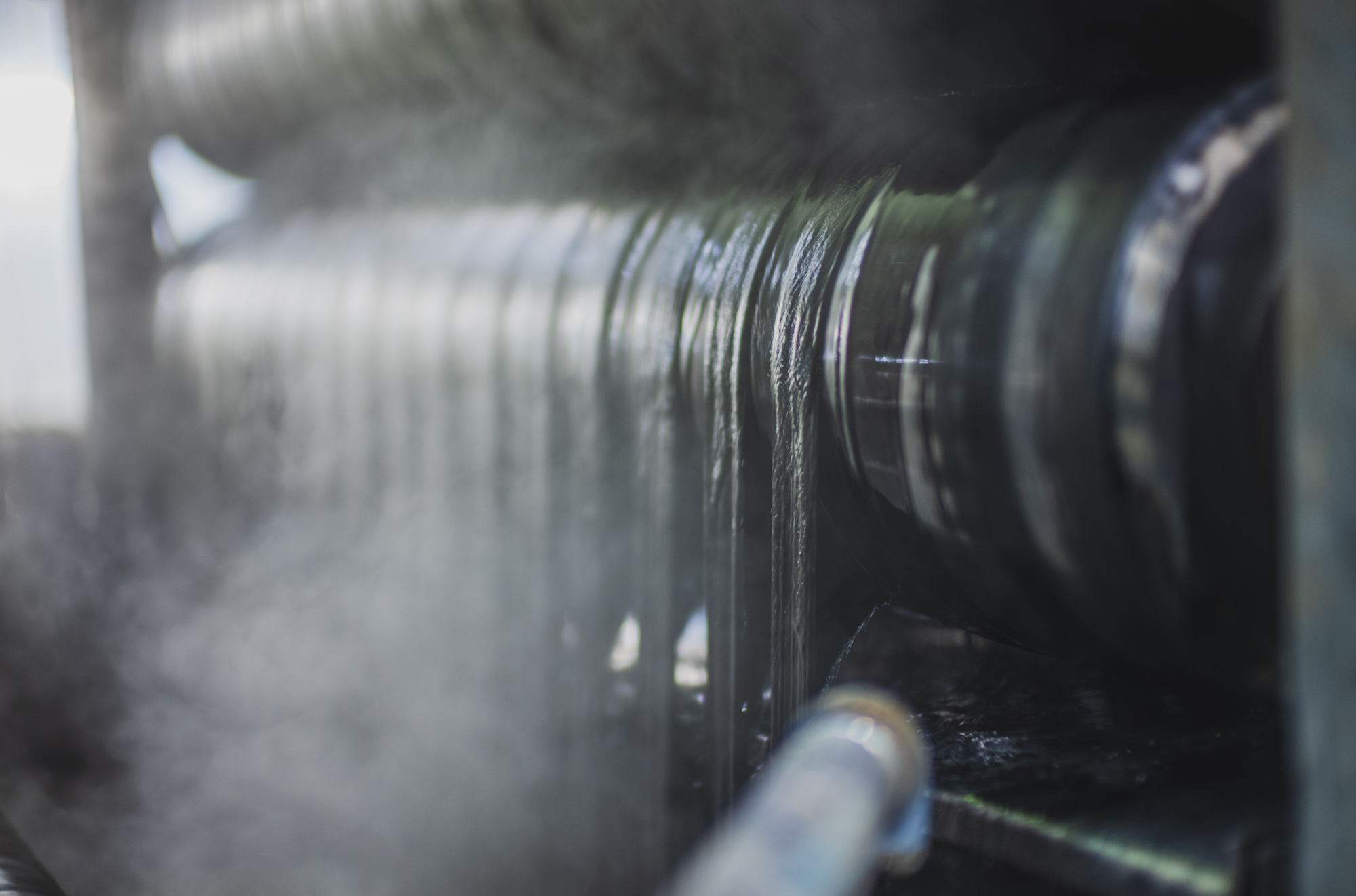
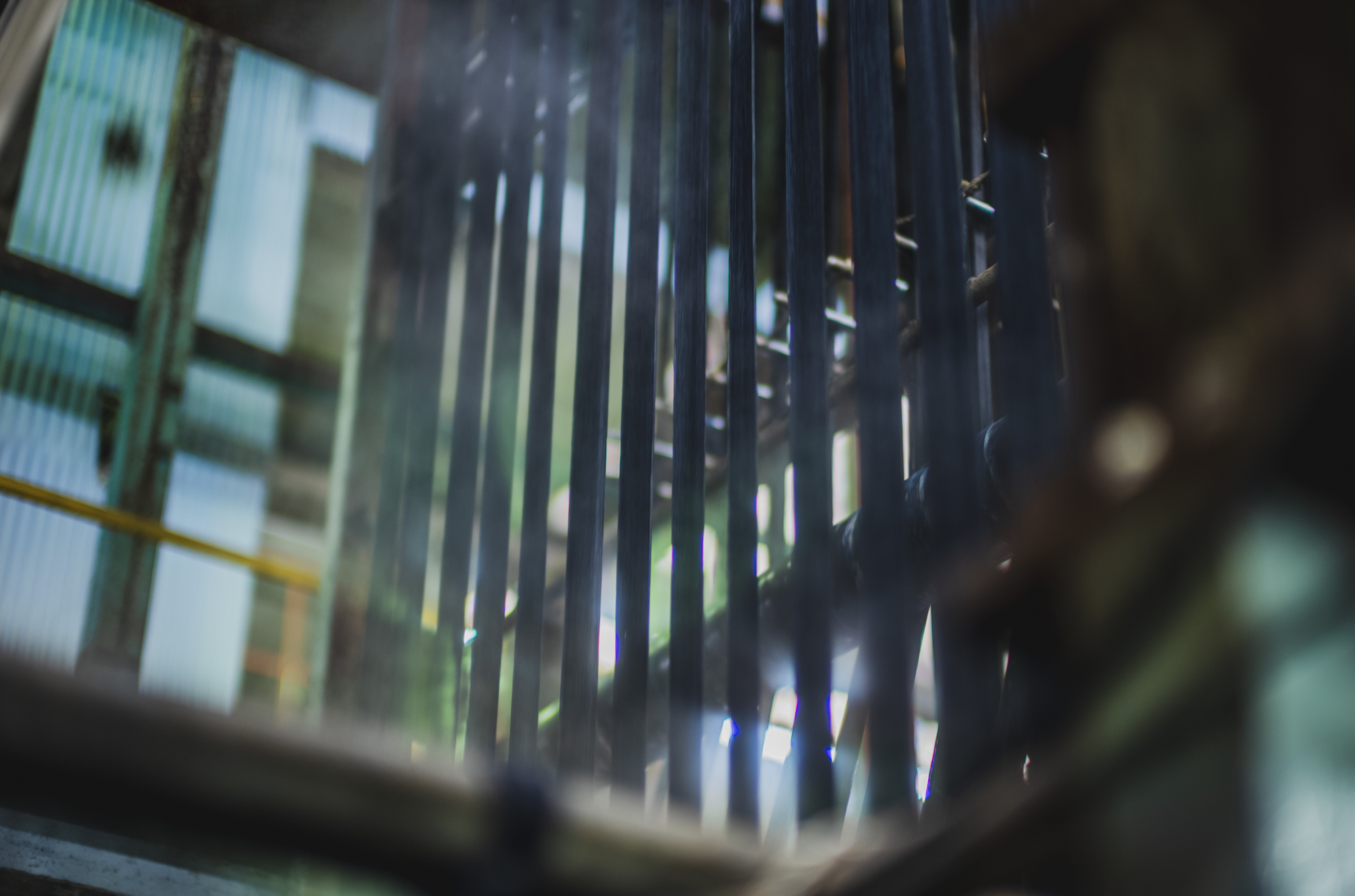
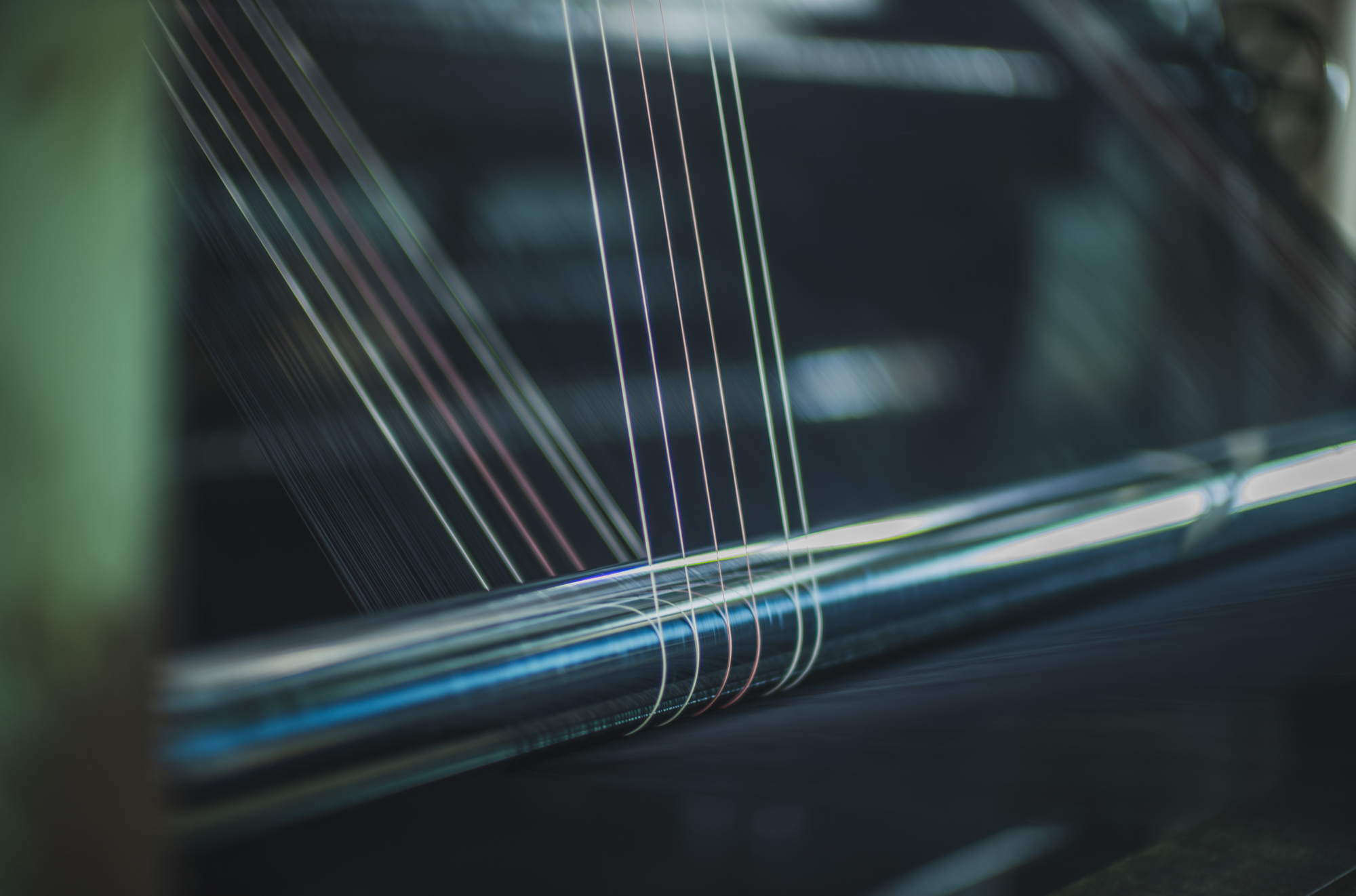
For this visit, we were given special permission to film, with restrictions on where and what we could photograph.
Tsurutto-san, who accompanied me that day, was also permitted to capture a small part of the dyeing process on video.
I would be very happy if you watched it.
So, by taking full advantage of my position, I finally had the opportunity to witness black rope dyeing with my own eyes.
Until now, I had only been able to describe “black yarn with a white core” in words.
Now I am even more excited to see how it will fade over time.
The experience has given me one more reason to enjoy aging my Cat Face and Purrcules.








 Categolies
 Tag
 Archive