

- About TCB
- Sewing Machines for TCB
- TCB Crews Introduction
- News / Daily
- Shop / Stockists
- Repair & Hem
- Recruit
- Contact


2026/07/11
明日、新しいシャツを発表します。
今回の企画は、1937年に開発された
E-Z REACH POCKET の魅力から始まりました。
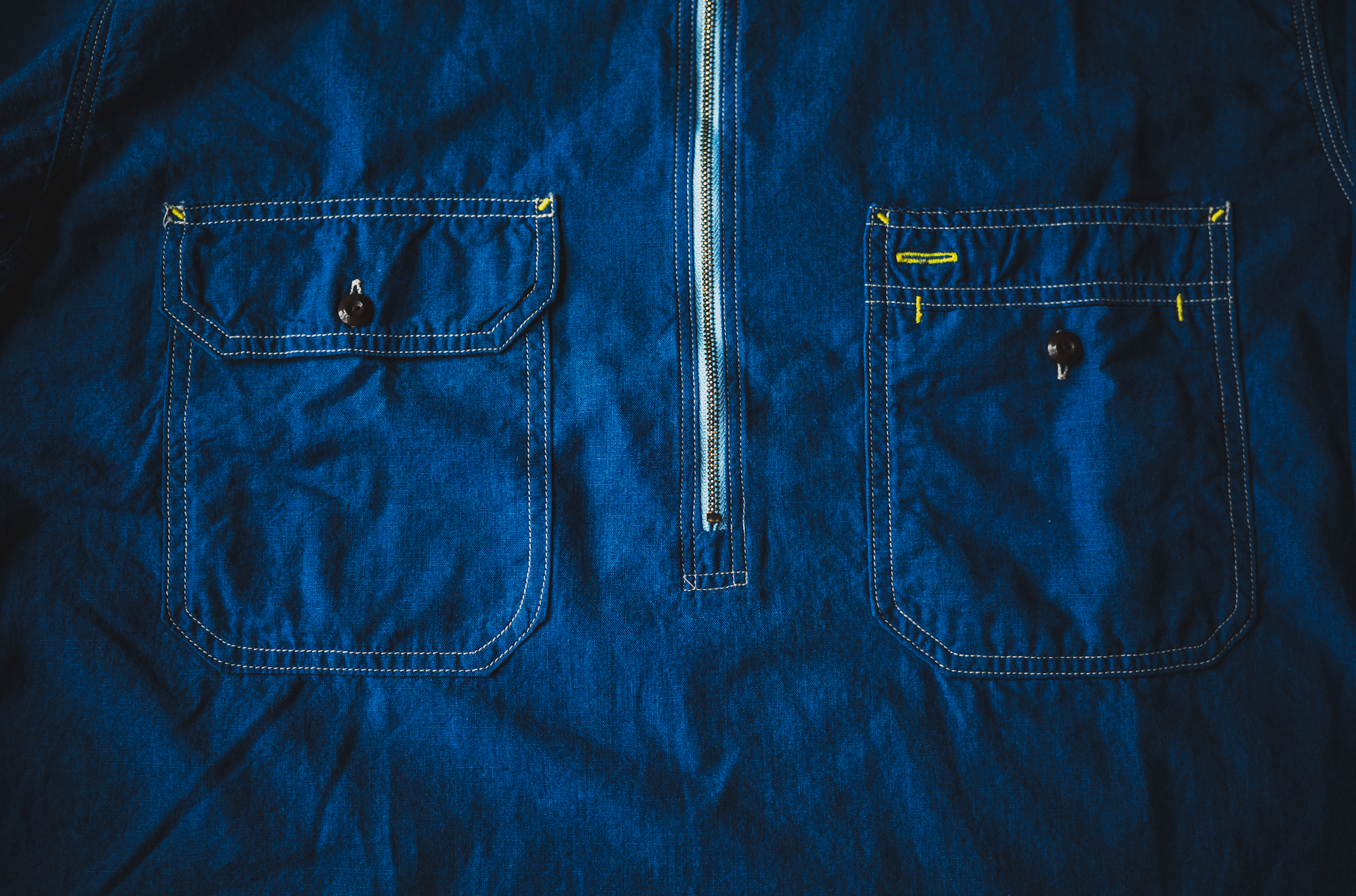
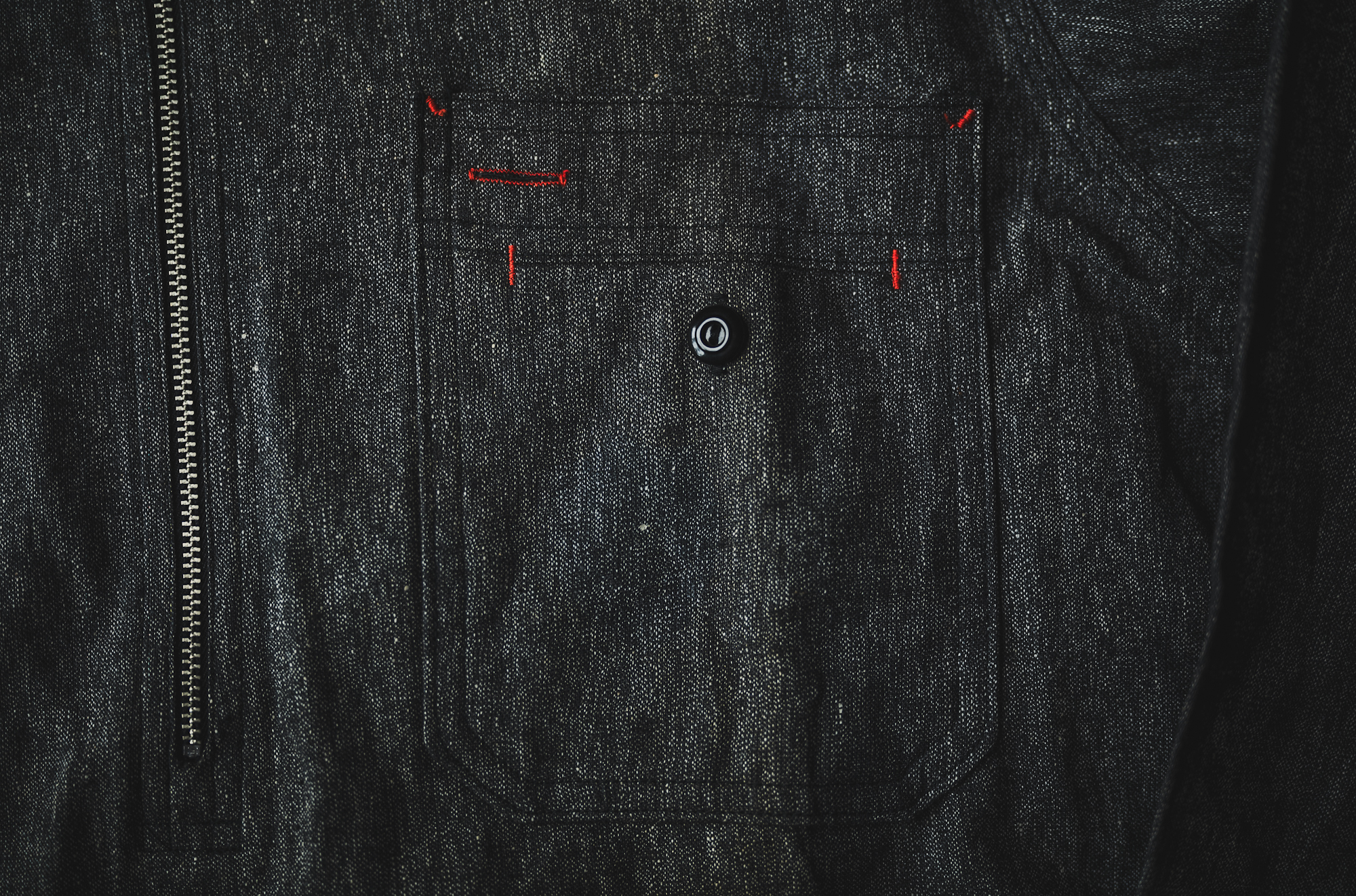
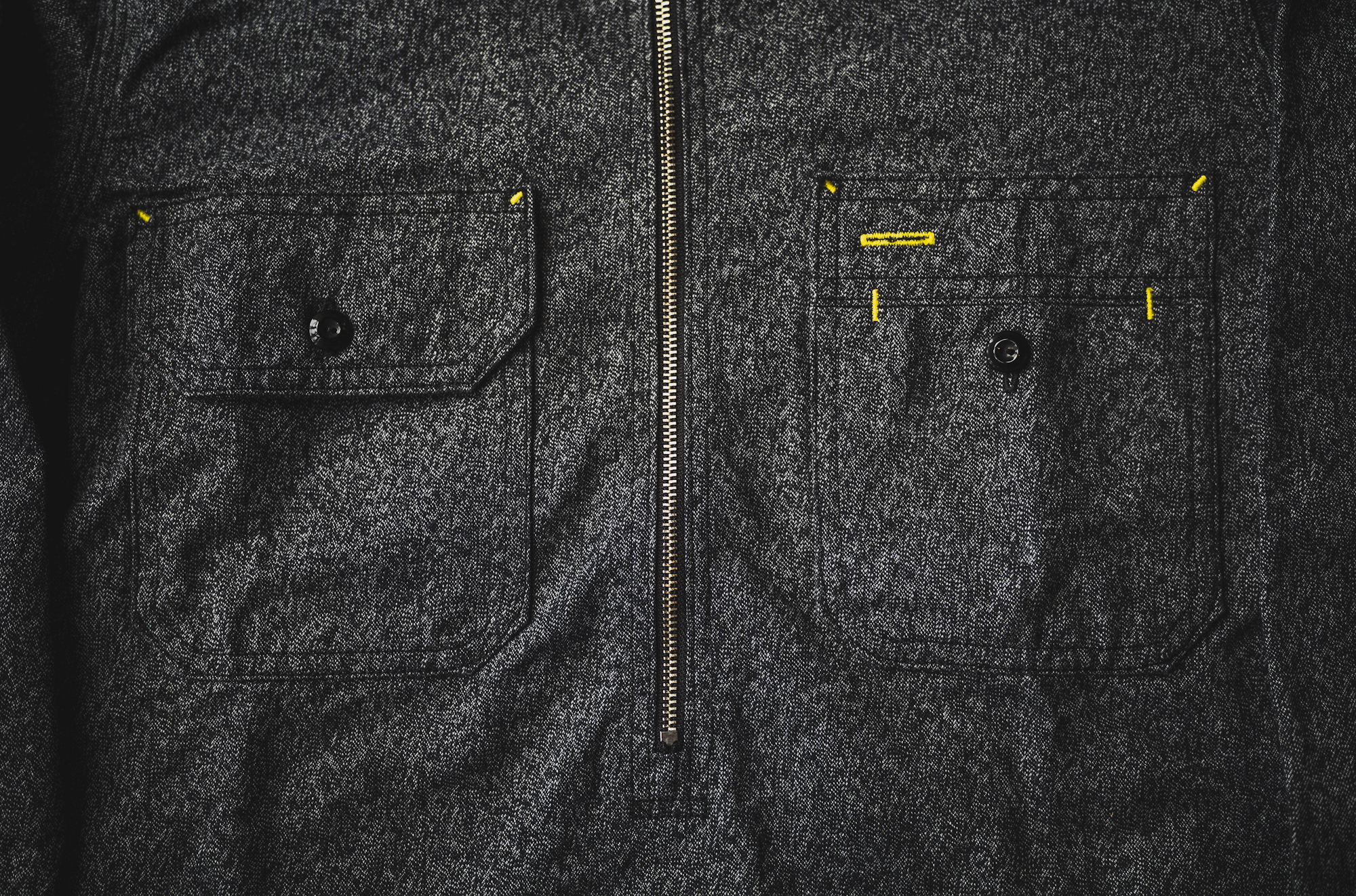
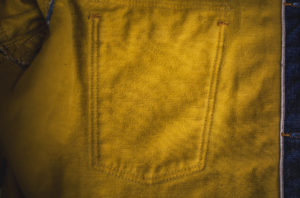
表から見ると、まず目に入るのは胸のポケット。
いわゆるガチャポケと呼ばれるような、二階建ての構造。
小さな前ポケットには、当時タバコやペーパーを入れ、
その後ろにあるもう一つの空間が、汗や湿気から中身を守る。
見た目の面白さだけではなく、
ちゃんと必要があって生まれた形。
そこに惹かれてスタートした企画でした。
ただ、作り込んでいく中で、
このシャツの面白さは表側だけでは終わりませんでした。
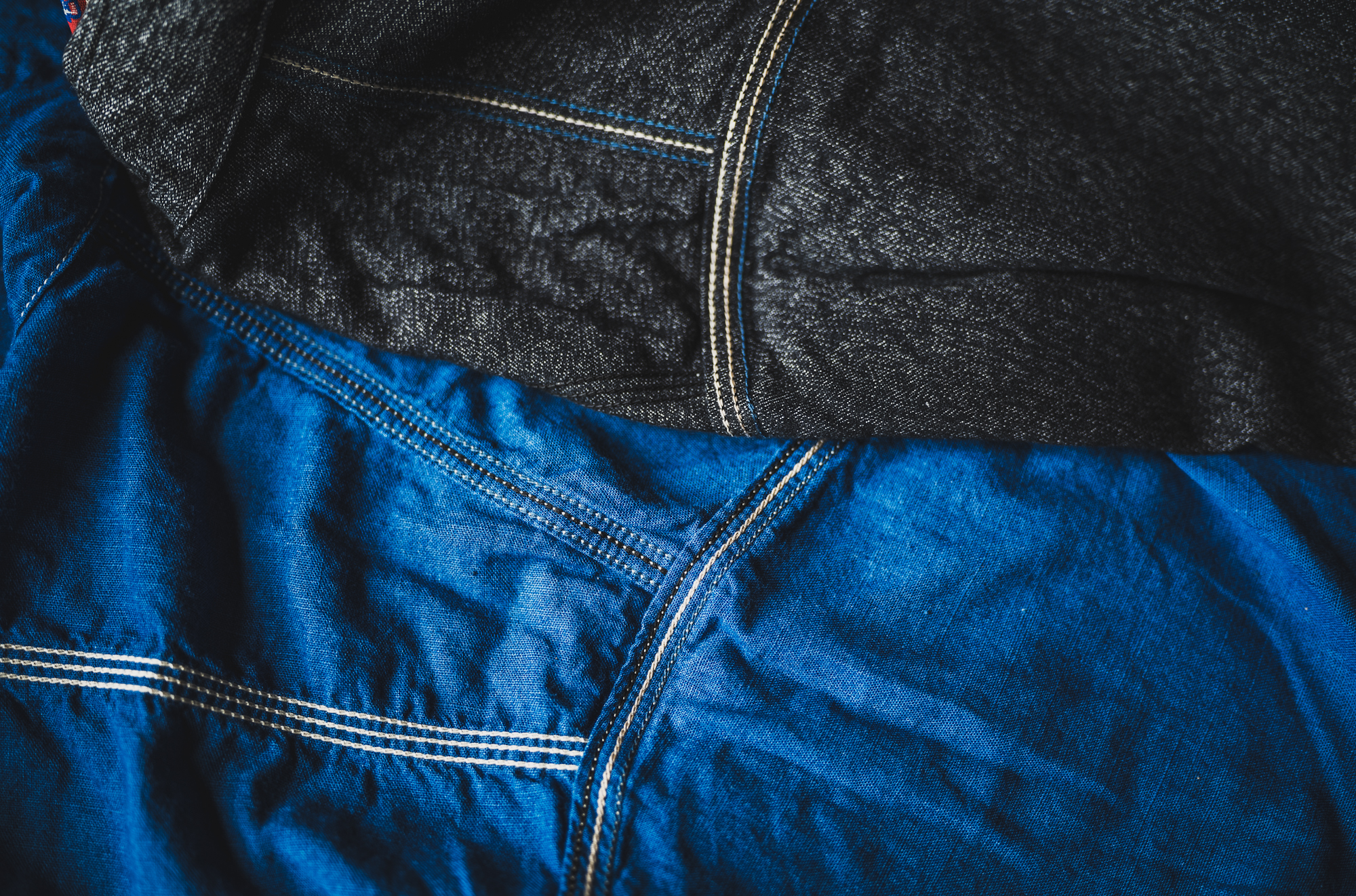
ひっくり返すと、むしろA面以上にカラフルな表情が隠れています。
縫製工場を持つ私たちにとって、
どんなミシンで、どんなセッティングで縫われていたのかは、
ある意味で一番ワクワクする部分です。
今回のシャツで言えば、ポケットはもちろん、
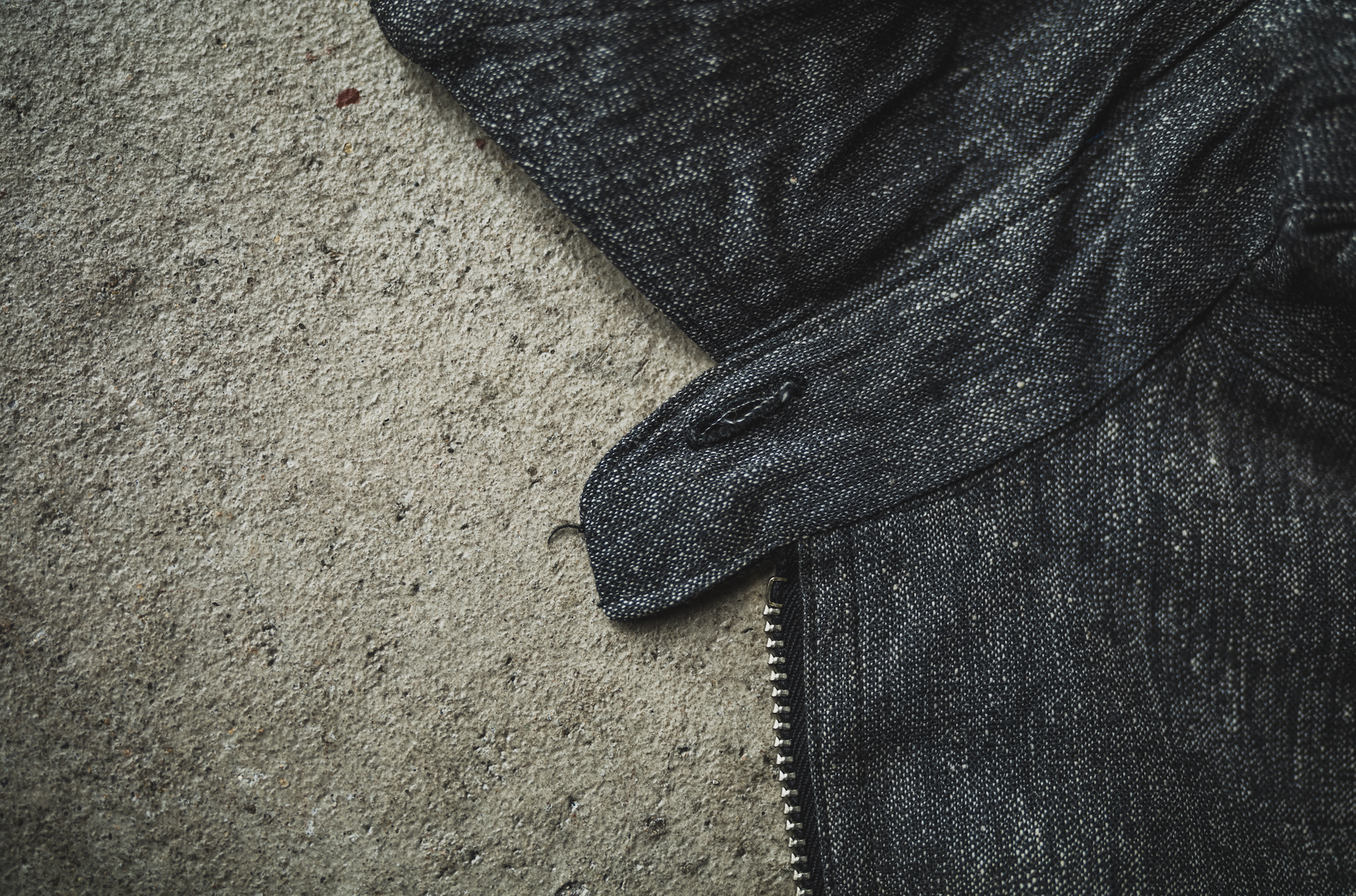
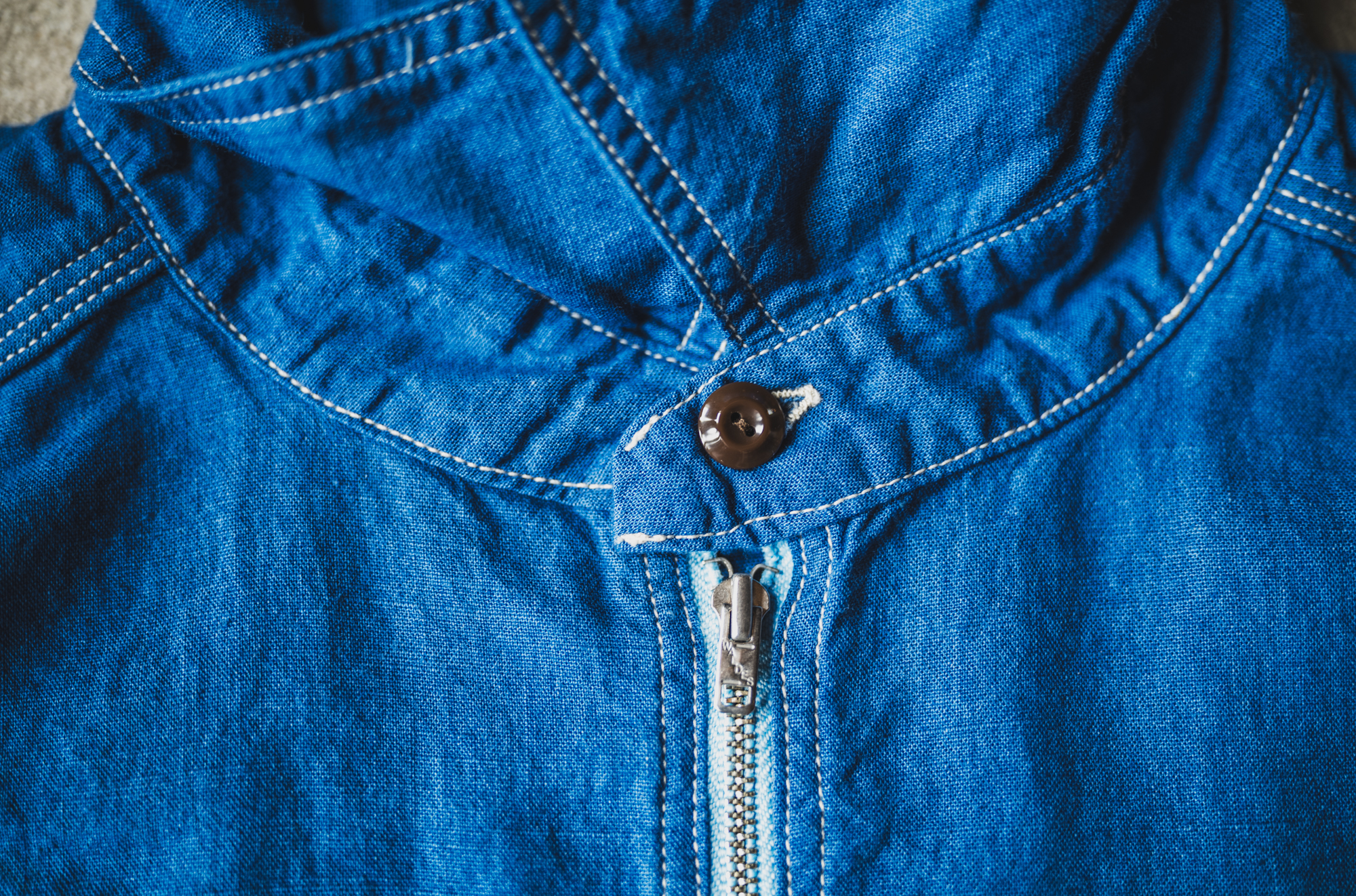
襟、カフス、場合によっては前立てのファスナー付けのステッチまで、
2本針ミシンが多用されています。
これはきっと、当時のアメリカのシャツ工場における
効率化の考え方だったのだと思います。
そして、もう一つ好きなのが脇の巻き縫い。
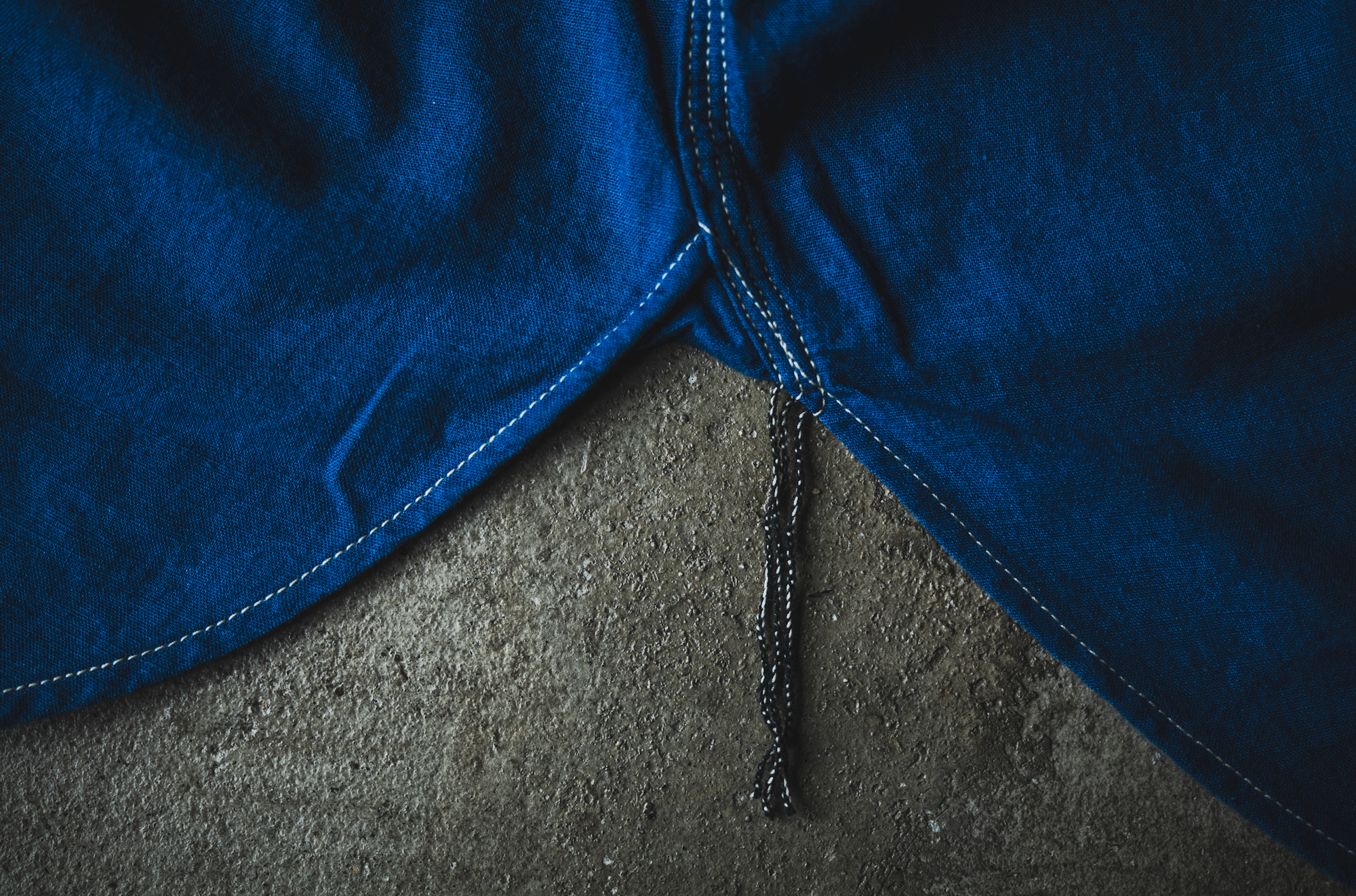
チェーンステッチの糸が裾でそのまま垂れる、いわゆる空環縫いです。
洋服は基本的に左右対称に作られます。
ただ、この仕様で縫うためには、左右どちらもカフス側から縫い始める必要があります。
その結果、右側は前身頃が上になり、
左側は後身頃が上になる。
左右で少し違う構造になりながらも、
最終地点はどちらも裾になるので、そこにチェーンステッチの空環が残る。
文章で説明すると少し難しいですが、
現代の目で見ると、それはもう完全にデザインの一部に見えます。
でも、当時はきっとデザインというより、
工場で早く、正確に、合理的に縫うための方法だったはずです。
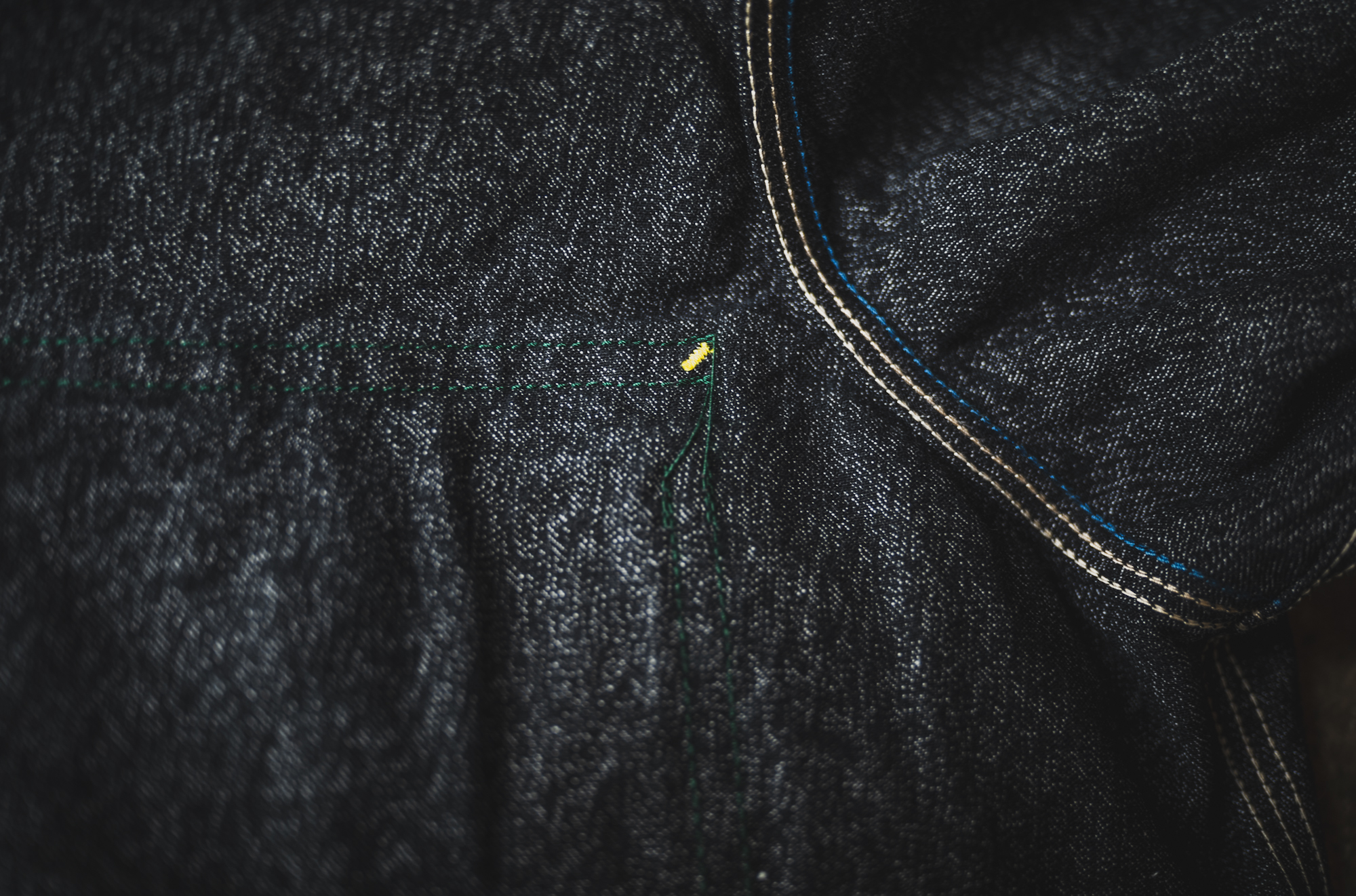
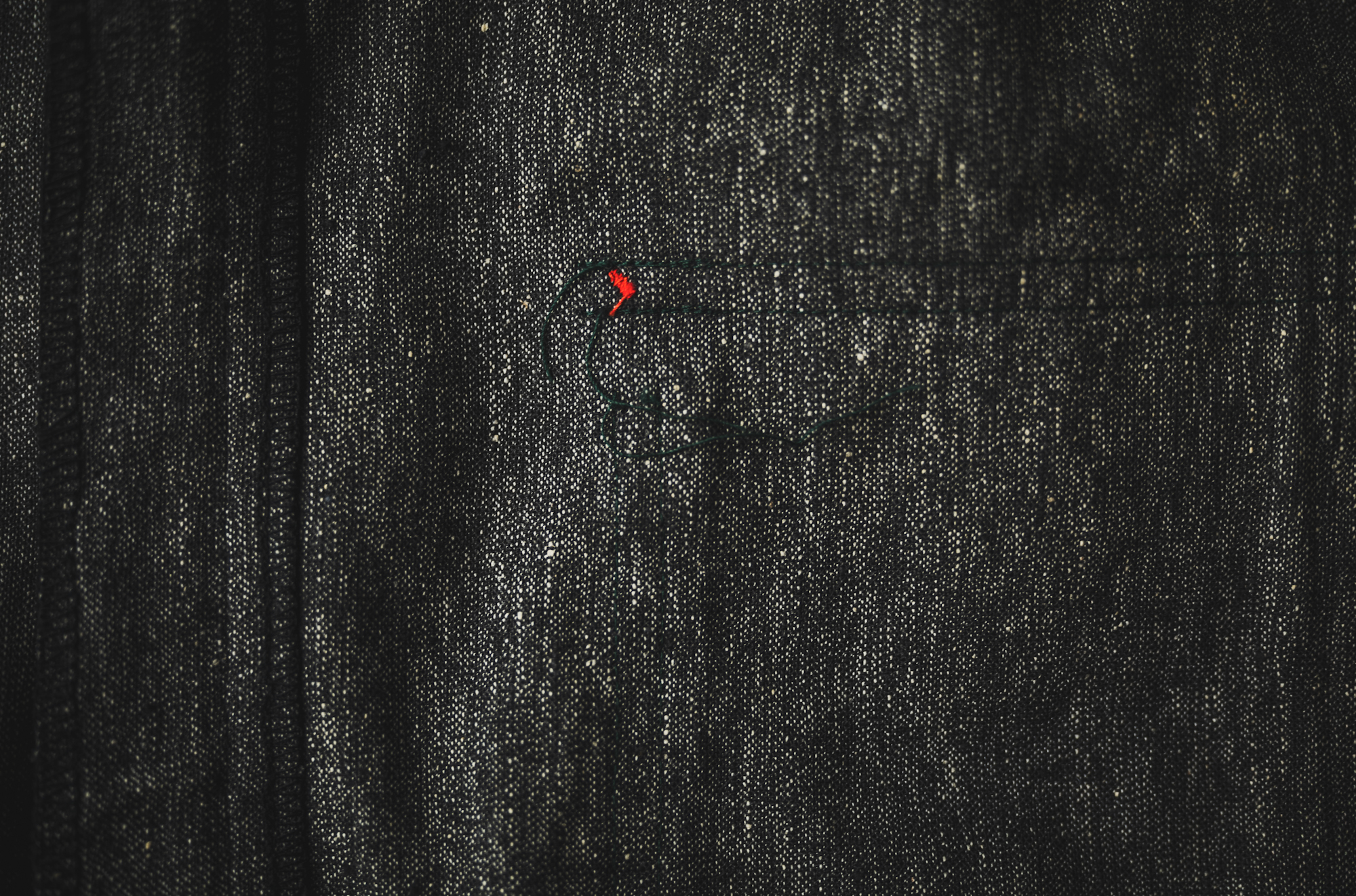
そして下糸。
ここも本当に面白いところです。
表からは見えない部分だからなのか、
下糸には驚くほど自由な色が使われていることがあります。
おそらく、たまたまミシンに掛かっていた糸や、
使い道の少なくなった糸を消化するために使っていたのだと思います。
でも、その適当さが良い。
表側には、1937年にパテントを取得した華やかなポケットデザイン。
2本針を多用した、アメリカのシャツ工場らしい効率的な縫い方。
一方で裏側には、左右非対称な巻き縫いの跡や、
表からは見えない下糸の自由さが残っている。
私たちは、古着から様々な声を聞きます。
年代を語るディテール。
特許を取るほど考えられたポケット。
工場で効率よく作るための縫い方。
そして、少しだけ適当に見える糸使い。
その全部が重なって、
当時のアメリカのシャツ工場の空気のようなものが見えてくる気がします。
TCBが今回再現したかったのは、
ポケットの形だけではありません。
表から見える分かりやすい魅力と、
ひっくり返した時にだけ見える、工場目線の面白さ。
下手したら、
A面よりB面の方が魅力的だと言われるかもしれません。
私の世代だと、
シングル曲よりもカップリングの曲の方を好きになってしまうような感覚です。
「らいおんハート」より「オレンジ」。
「ZERO」より「恋心」。
そんなふうに、
E-Z REACH POCKETももちろん良いけど、
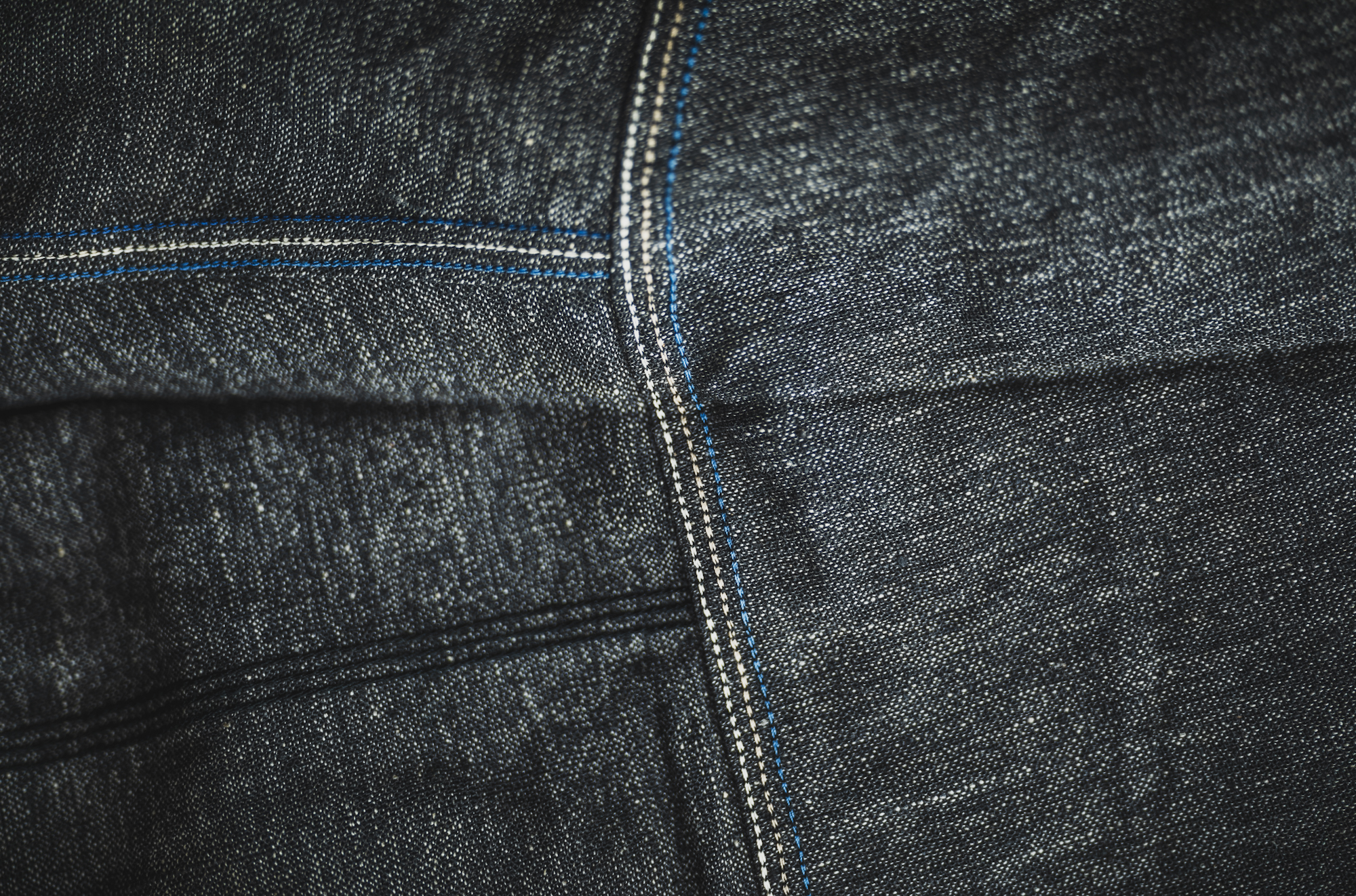
トリプルステッチの下糸の青が最高。
そう言ってもらえたら、作り手としてはかなり嬉しいです。
その両方を、明日見てもらえたら嬉しいです。
Tomorrow, we will be introducing a new shirt.
This project began with our fascination for the E-Z REACH POCKET, developed in 1937.
From the front, the first thing that catches your eye is the chest pocket.
It has what we often call a “gacha pocket” structure — a two-layer pocket design.
The small pocket in front was originally intended to hold cigarettes, tobacco papers, or similar items, while the extra space behind it helped protect them from sweat and moisture.
It is not just an interesting-looking detail.
It is a shape that was born out of necessity.
That was where this project started.
But as we developed the shirt, we realized that its appeal did not end on the outside.
When you turn it inside out, there is an even more colorful expression hidden beneath the surface.
As a sewing factory ourselves, one of the things that excites us most is looking at how a garment was sewn.
What kind of machines were used?
What kind of settings were chosen?
In the case of this shirt, the two-needle sewing machine appears throughout: not only on the pockets, but also on the collar, cuffs, and even, in some areas, the stitching around the front zipper placket.
To us, this feels like one of the great examples of efficiency in American shirt factories of that era.
Another detail we love is the chainstitch run-off at the side seams.
The chainstitch thread hangs from the hem, left just as it came off the machine.
Clothing is usually made with symmetry in mind.
But in order to sew this construction, both sides need to be started from the cuff side.
As a result, on one side the front body sits on top, while on the other side the back body sits on top.
The construction becomes slightly different from left to right, but both seams finish at the hem.
That is why the chainstitch run-off remains there.
It is a little difficult to explain in words, but when we look at it today, it almost feels like a design detail.
At the time, however, it was probably not intended as design.
It was simply a way to sew faster, more accurately, and more efficiently in the factory.
And then there is the bobbin thread.
This is another detail we find fascinating.
Because it is not visible from the outside, the bobbin thread was sometimes used in surprisingly free colors.
Most likely, they were using whatever thread was already on the machine, or using up thread that had no other clear purpose.
But that casualness is exactly what makes it so good.
On the outside, there is the beautifully designed pocket that was patented in 1937.
There is also the efficient use of two-needle stitching, typical of an American shirt factory.
But on the inside, you find asymmetrical seam construction, chainstitch run-offs, and freely chosen bobbin thread colors that were never meant to be seen.
We listen to many voices from vintage garments.
Details that tell us the era.
A pocket design thoughtful enough to be patented.
Sewing methods created for factory efficiency.
And thread colors that look almost careless in the best possible way.
When all of these things come together, we feel as if we can sense the atmosphere of an American shirt factory from that time.
What TCB wanted to reproduce this time was not just the shape of the pocket.
It was both the obvious charm you see from the outside,
and the factory-minded beauty that only appears when you turn the shirt inside out.
Some people may even say that the B-side is more attractive than the A-side.
It is a bit like buying a record for the lead single,
only to find yourself playing the B-side over and over again.
In the same way, we would be very happy if someone said:
“The E-Z REACH POCKET is great, of course,
but the blue bobbin thread on the triple stitching is what really gets me.”
We hope you will enjoy both sides tomorrow.





 Categolies
 Tag
Tag Archive