

- About TCB
- Sewing Machines for TCB
- TCB Crews Introduction
- News / Daily
- Shop / Stockists
- Repair & Hem
- Recruit
- Contact


2026/10/03
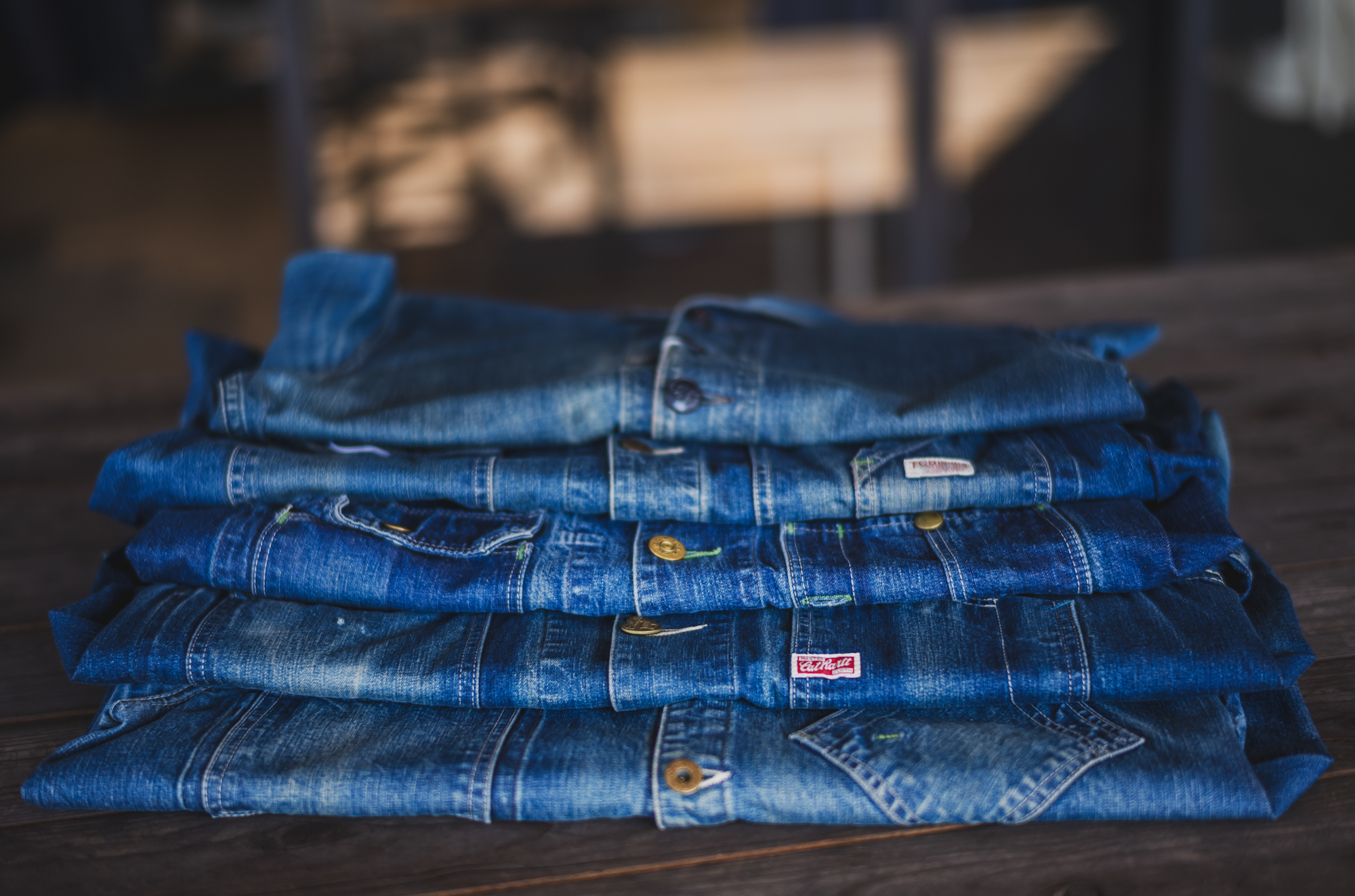
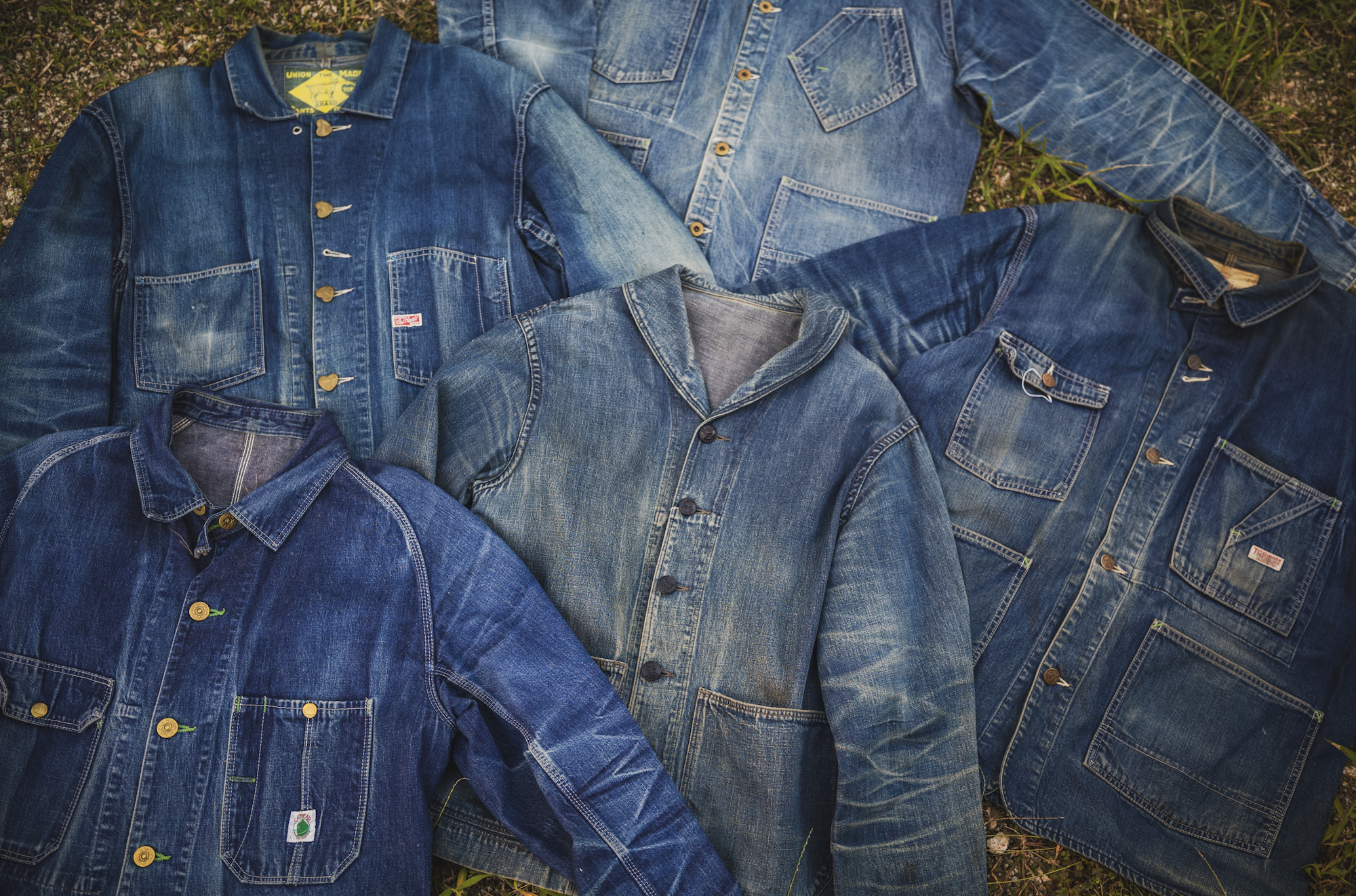
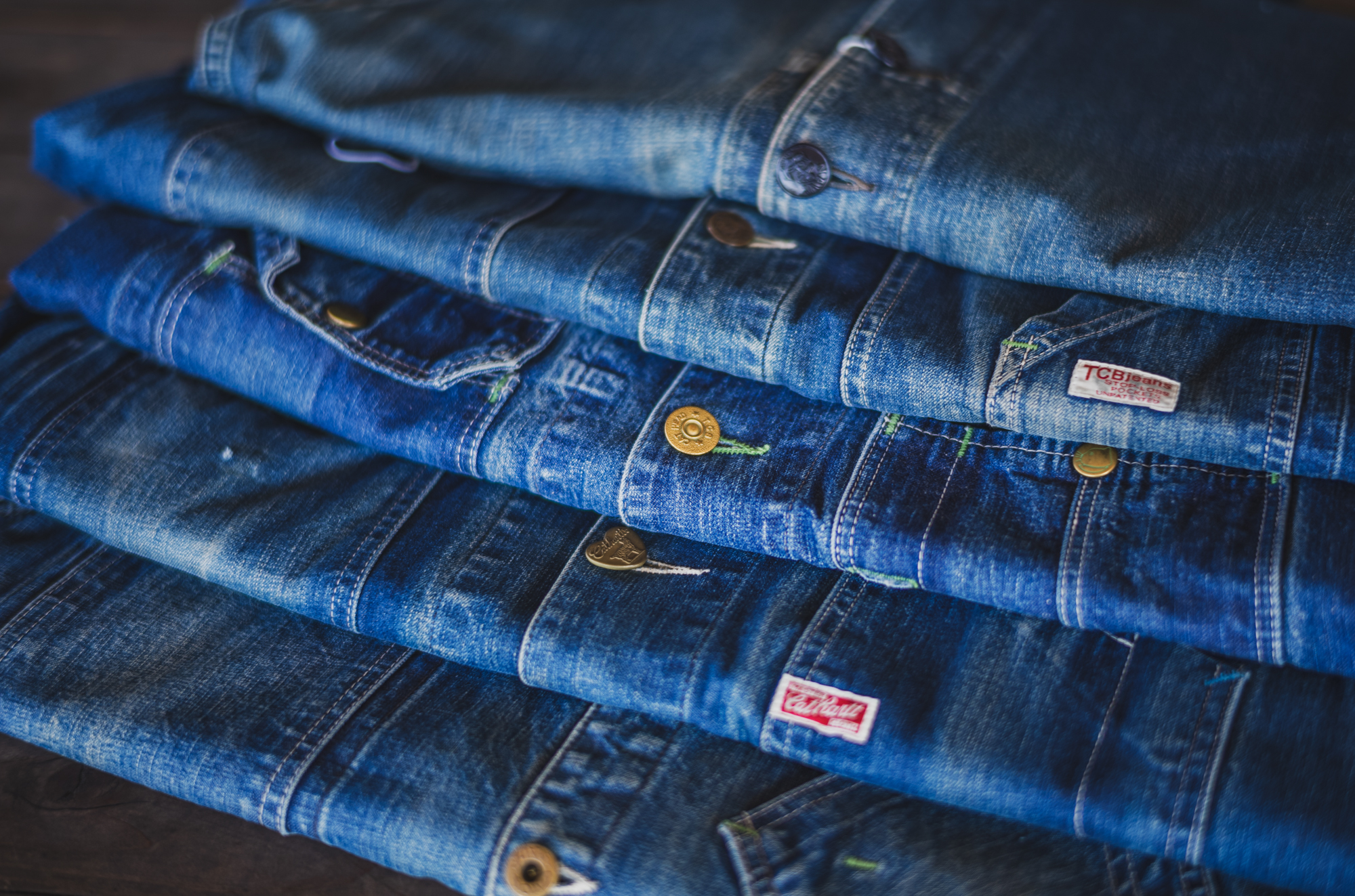
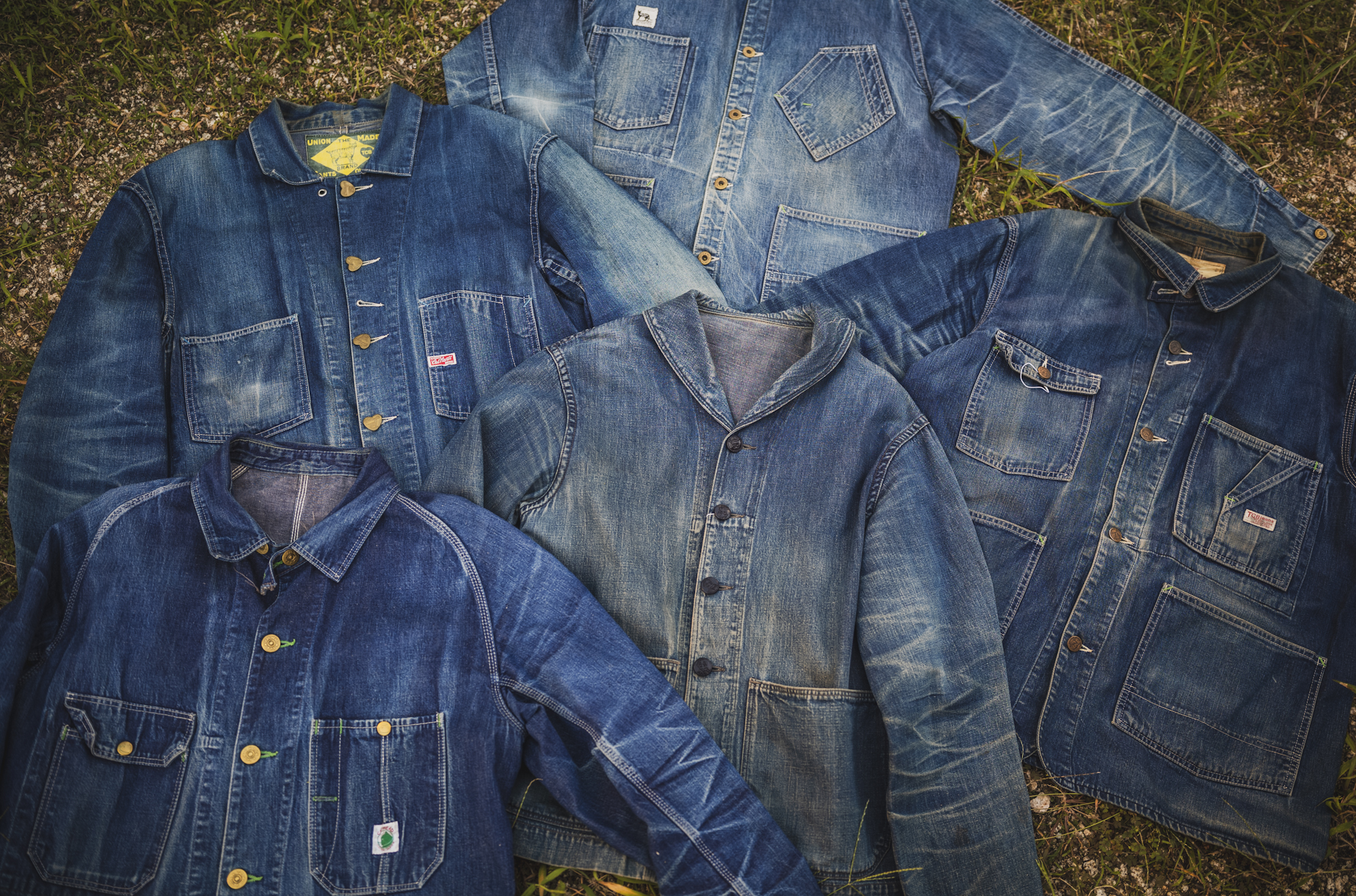
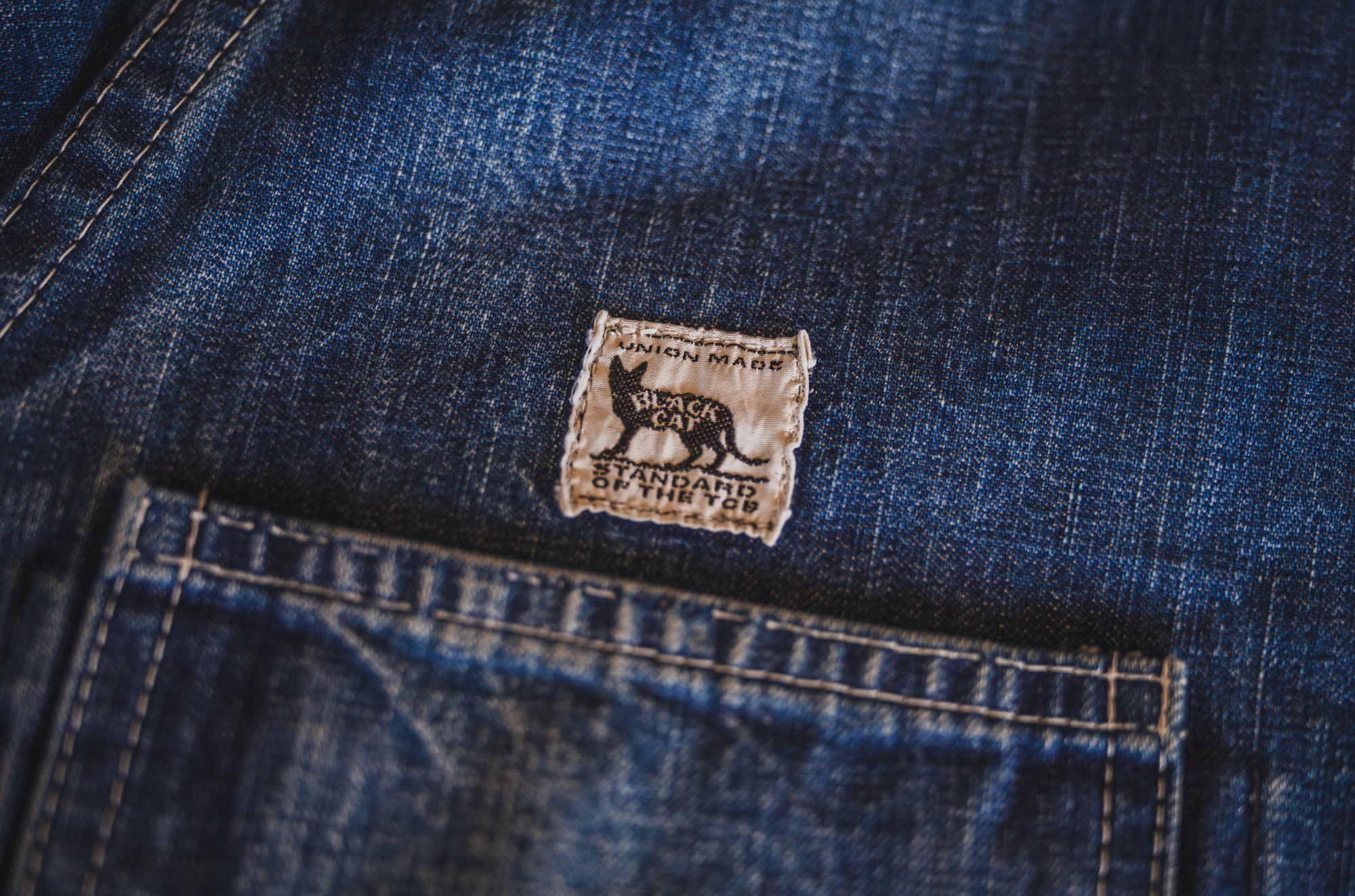
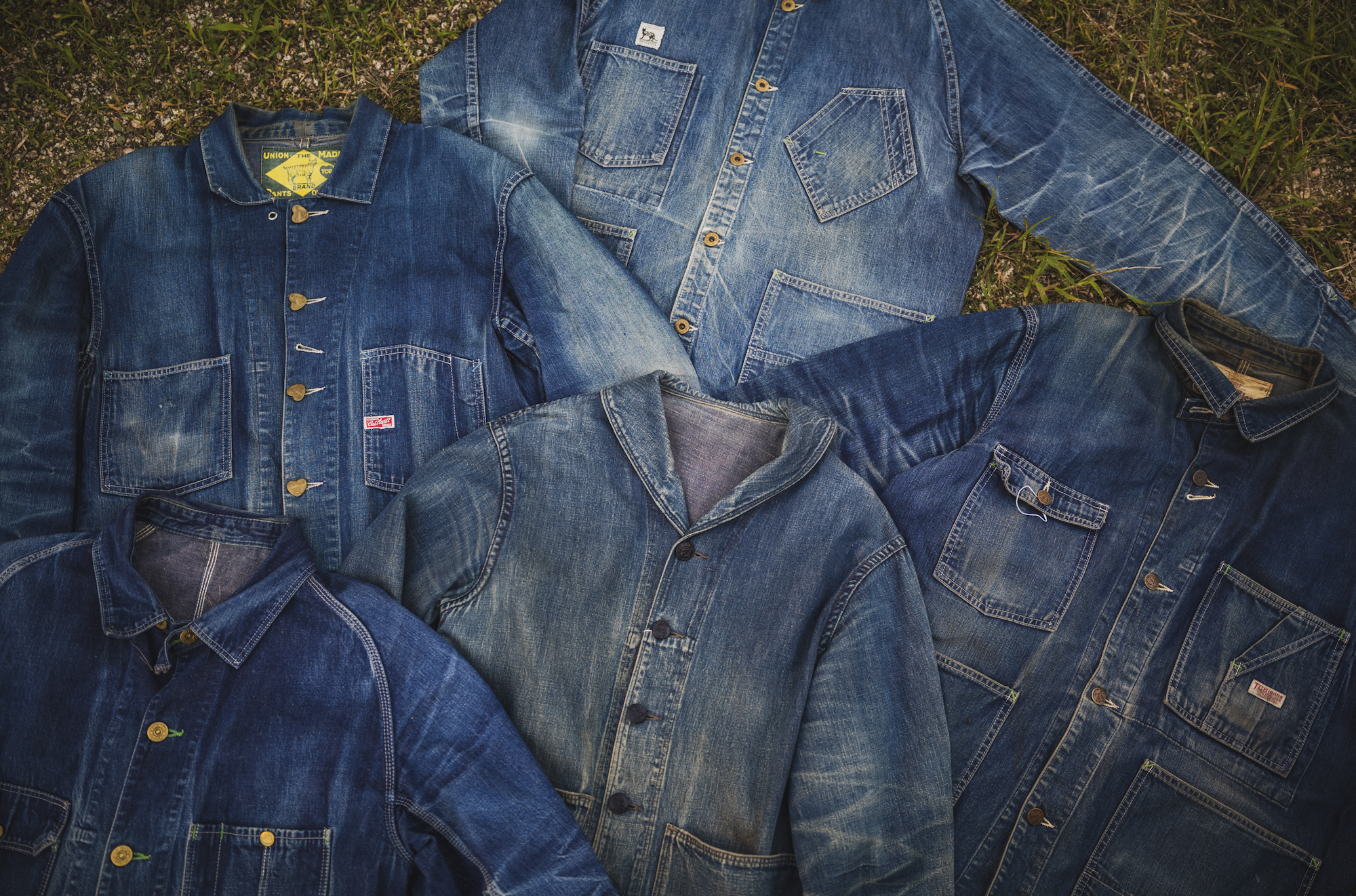
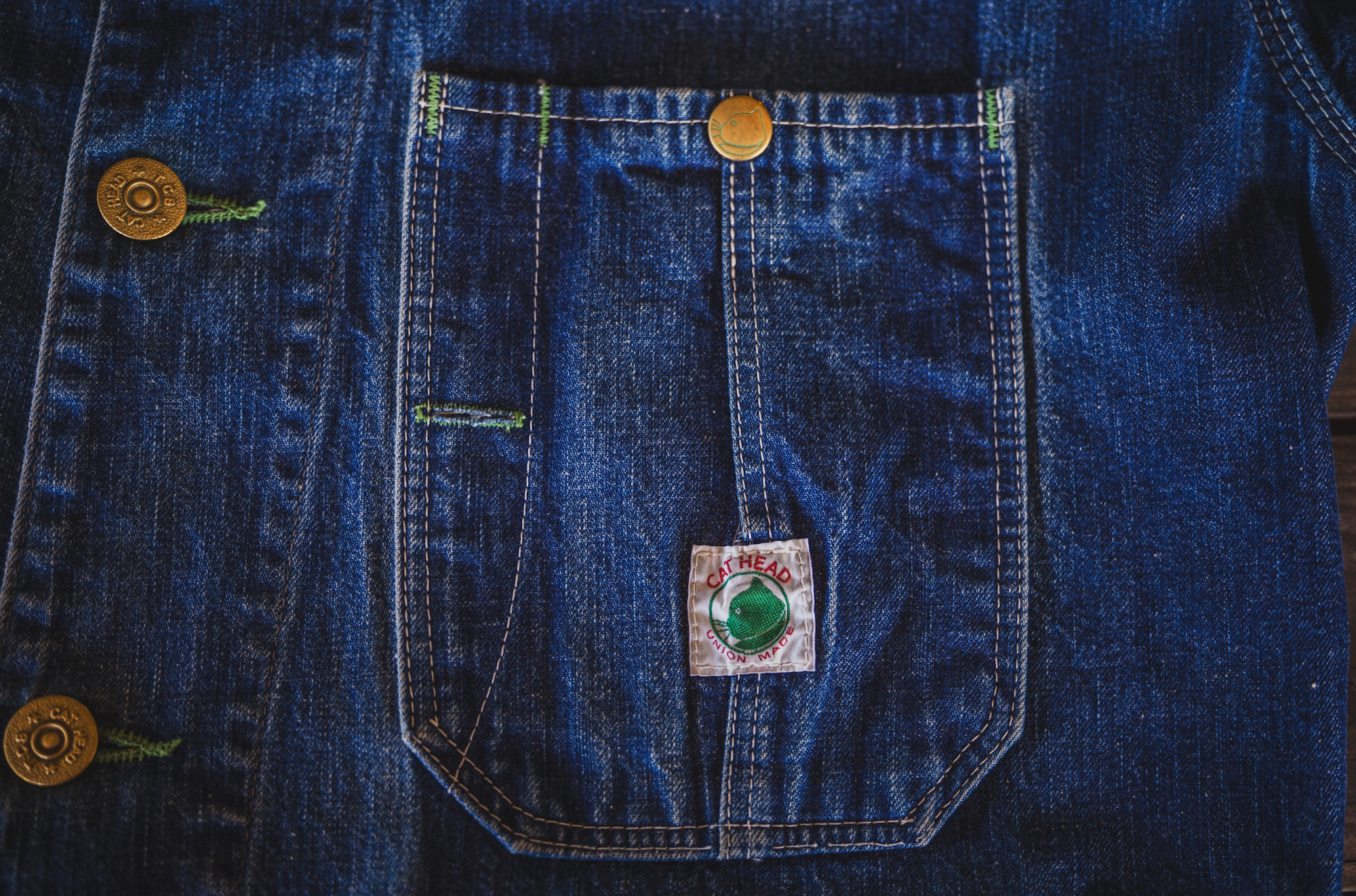
今まで私が着て、色落ちさせてきたカバーオールたち。店頭には、その全部を飾っています。
どれも基本的には10ozクラスのライトオンスですが、腕にはくっきりとヒゲが入っています。並べてみると、良くも悪くも、自分の着方の癖がよく分かります。
「悪くも」と書くのは、ヴィンテージのカバーオールには、もっと洗い込まれた、のっぺりとした色落ちの印象があるから。あの表情にも惹かれますが、私が着ると、どうしても腕のヒゲが強く出てしまいます。
着方に癖があるように、選ぶ時にも癖があります。
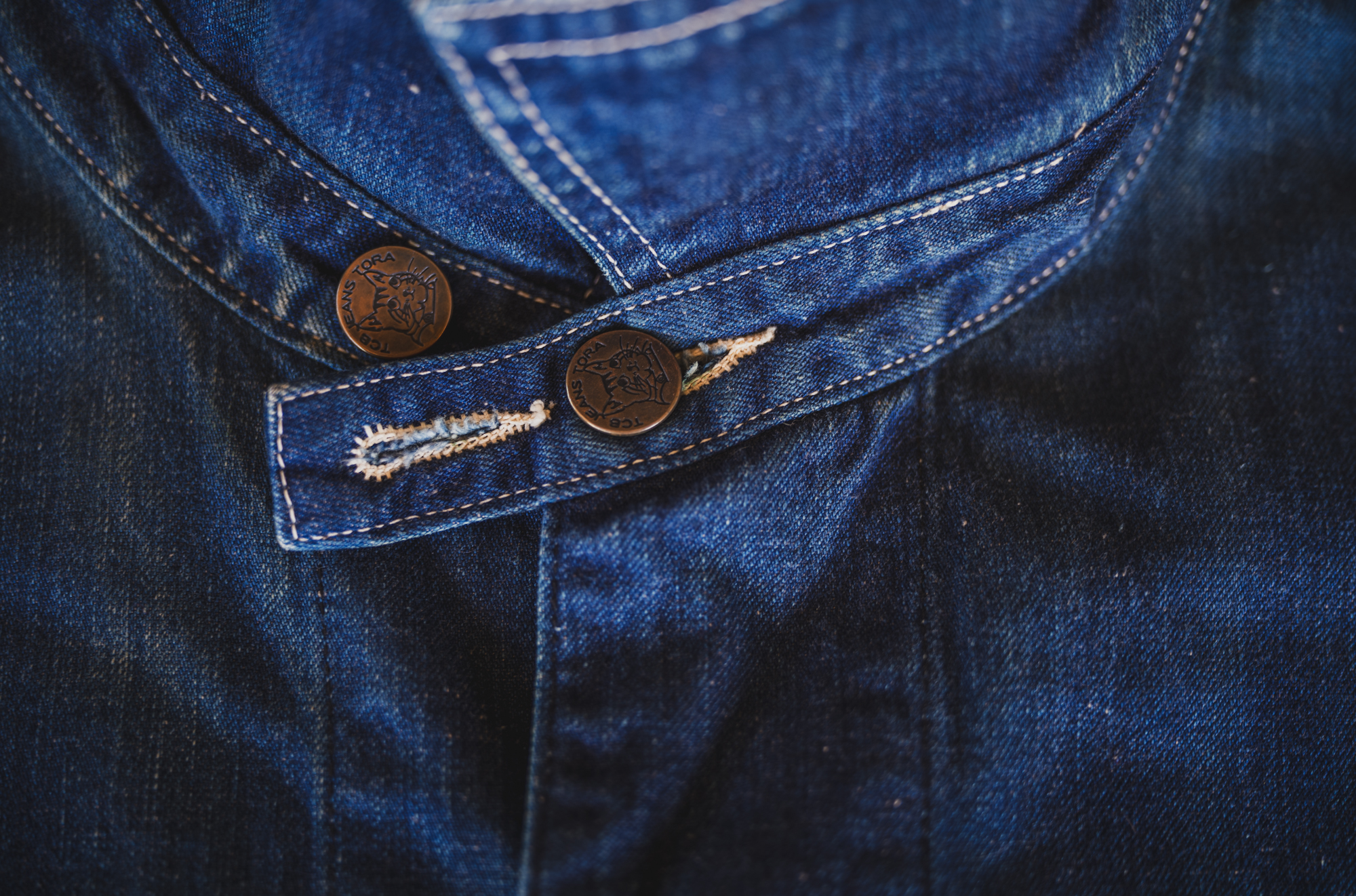
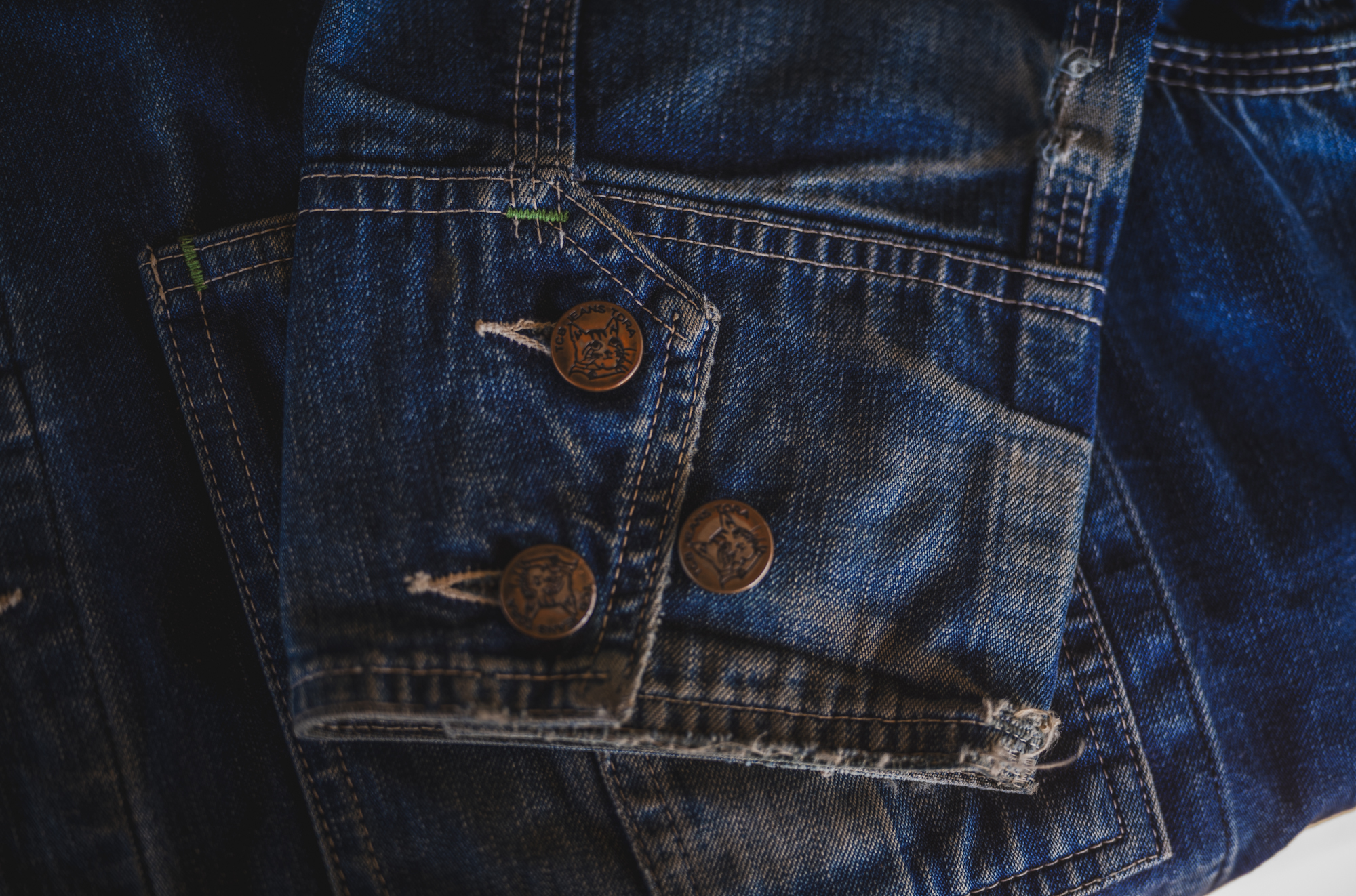
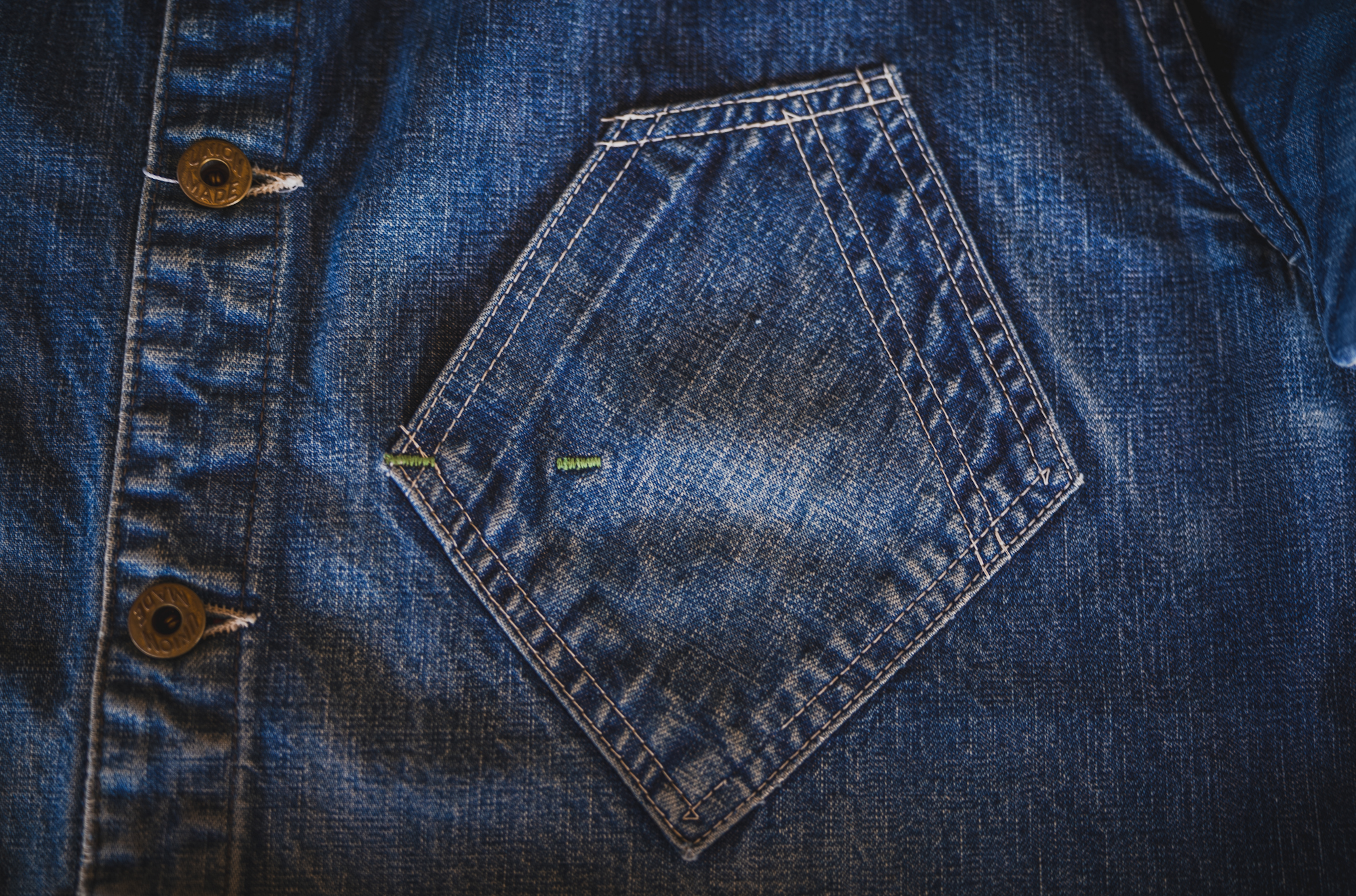
やはり大好きなのは、戦前のカバーオールに見られる、左胸が印象的な通称「ガチャポケ」。
2階建て、デザインによっては3階建て。
幾重にも重なるポケットは、いつ見ても美しいと思います。
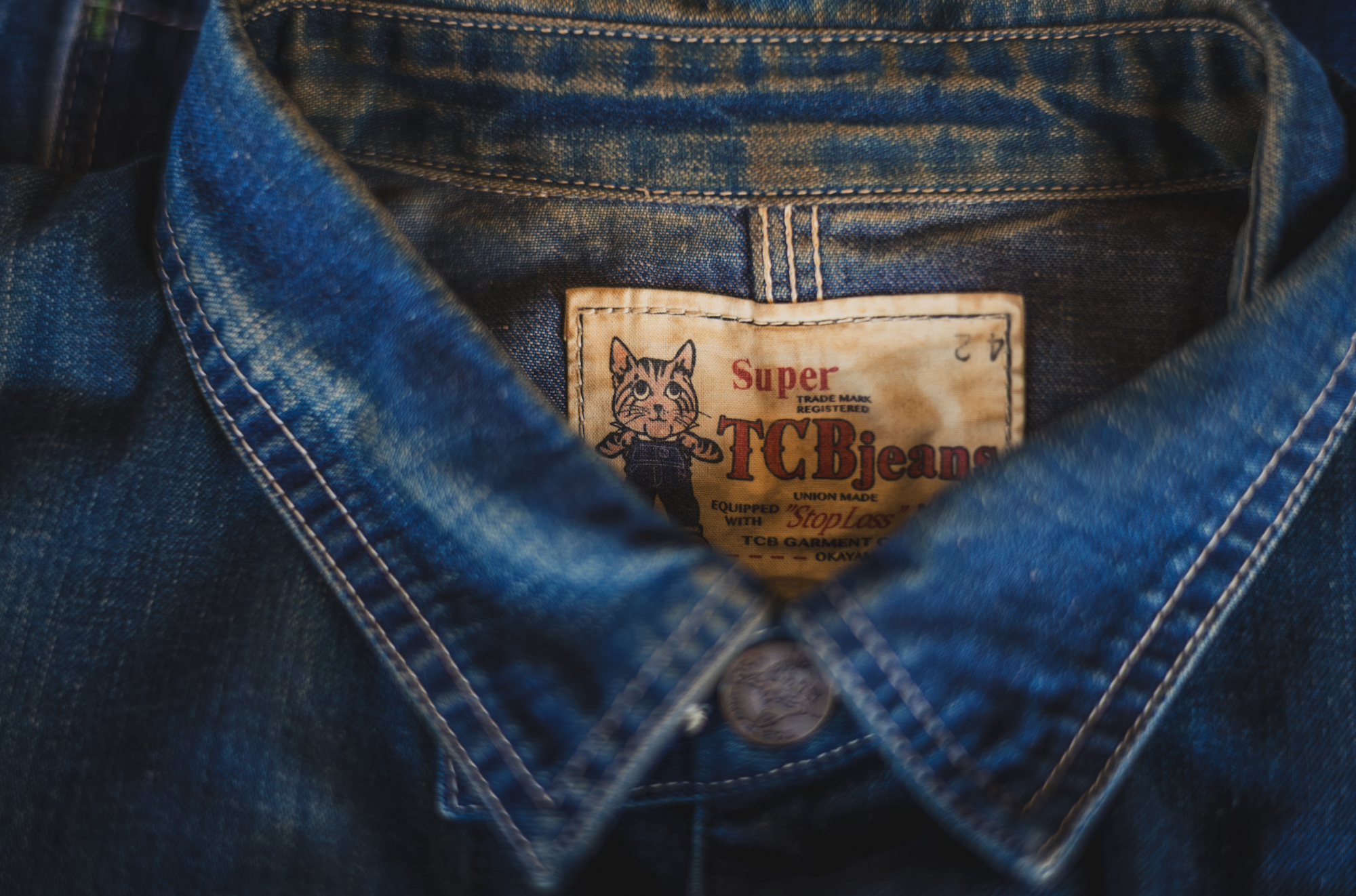
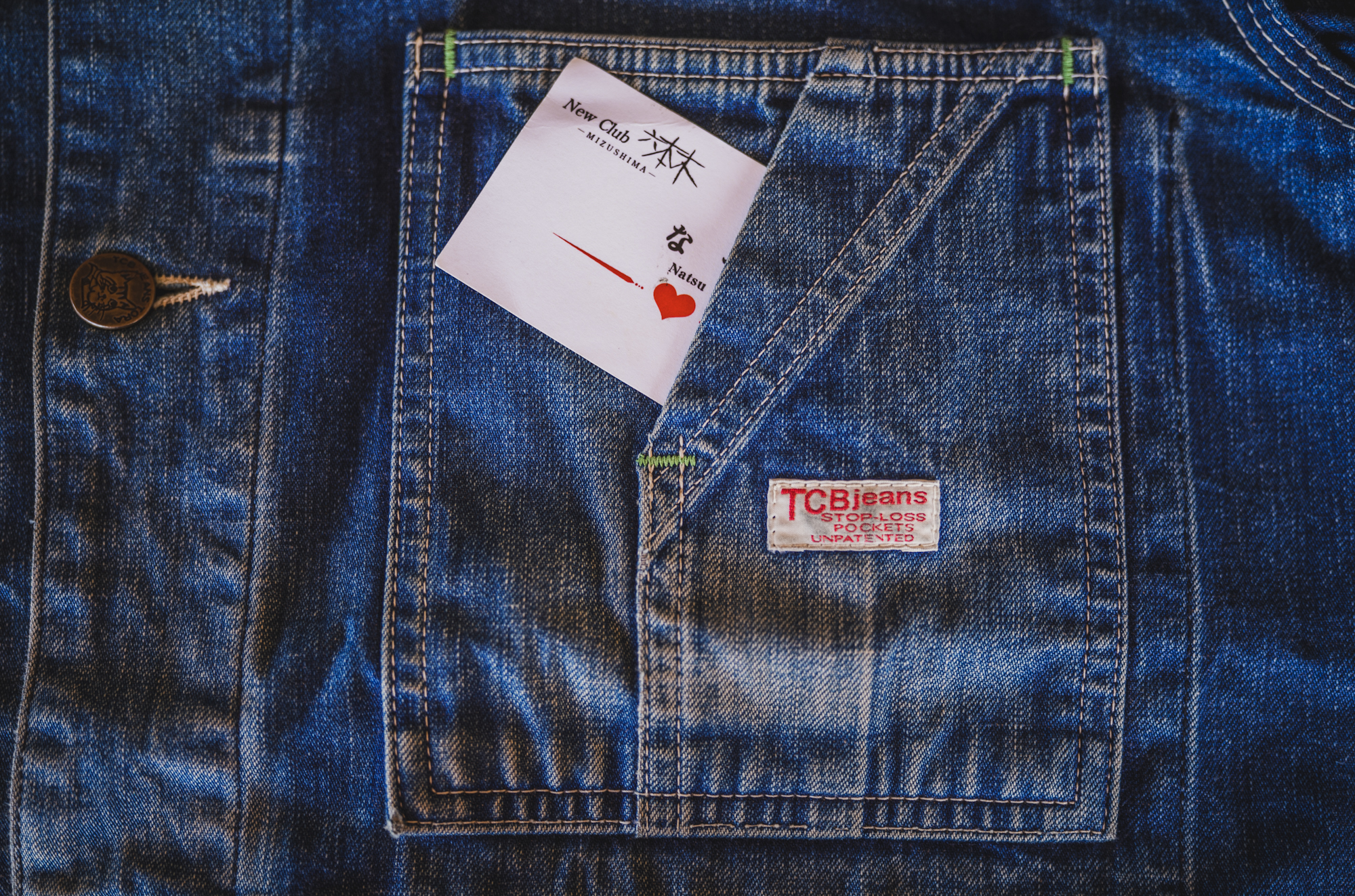
なかでも「Stop Loss」という名前のポケット。
私のものからは、もらった記憶のないカードが出てくることがあります。
背広のシンプルなポケットでは、すぐに見つかってしまいそうな、少し気まずい名刺。
戦前の斜めに収納するポケットなら、もう少し奥にしまっておけそうです。
落としたくはないけれど、見つかってもちょっと困る。
「分かる」と思ってしまった大人の男性にも、カバーオールをお勧めします。
Every coverall I’ve worn and faded over the years is on display in our shop.
Most are made from lightweight denim around 10oz, yet they have developed pronounced whiskers along the sleeves. Seeing them together, I can clearly recognize my own wearing habits—for better or worse.
I say “for worse” because I tend to picture vintage coveralls with a more thoroughly washed, even fade. I love that look too, but whenever I wear them myself, the sleeve whiskers always seem to come through strongly.
Just as I have my habits when wearing them, I also have my habits when choosing them.
My favorites are the prewar coveralls with distinctive left chest pockets—the asymmetrical pocket arrangements we call “gacha pockets” in Japan.
Two stories tall, sometimes three, depending on the design.
Those layers of pockets are always beautiful to me.
One particular favorite is the pocket called “Stop Loss.”
Every now and then, I find a card in mine that I have no recollection of receiving.
A slightly awkward business card that might be discovered all too easily in the simple pocket of a suit jacket.
With an angled prewar pocket, perhaps I can tuck it a little further out of sight.
Something I’d rather not lose—but would rather not have found, either.
If you’re a grown man who caught himself thinking, “I know the feeling,” I recommend a coverall for you, too.













 Categolies
 Tag
 Archive